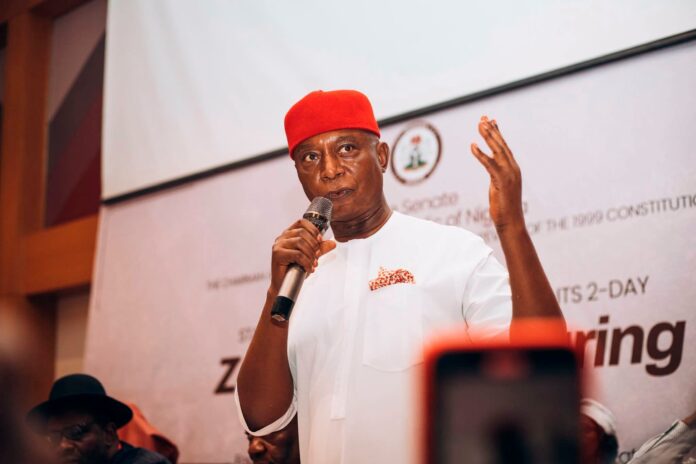

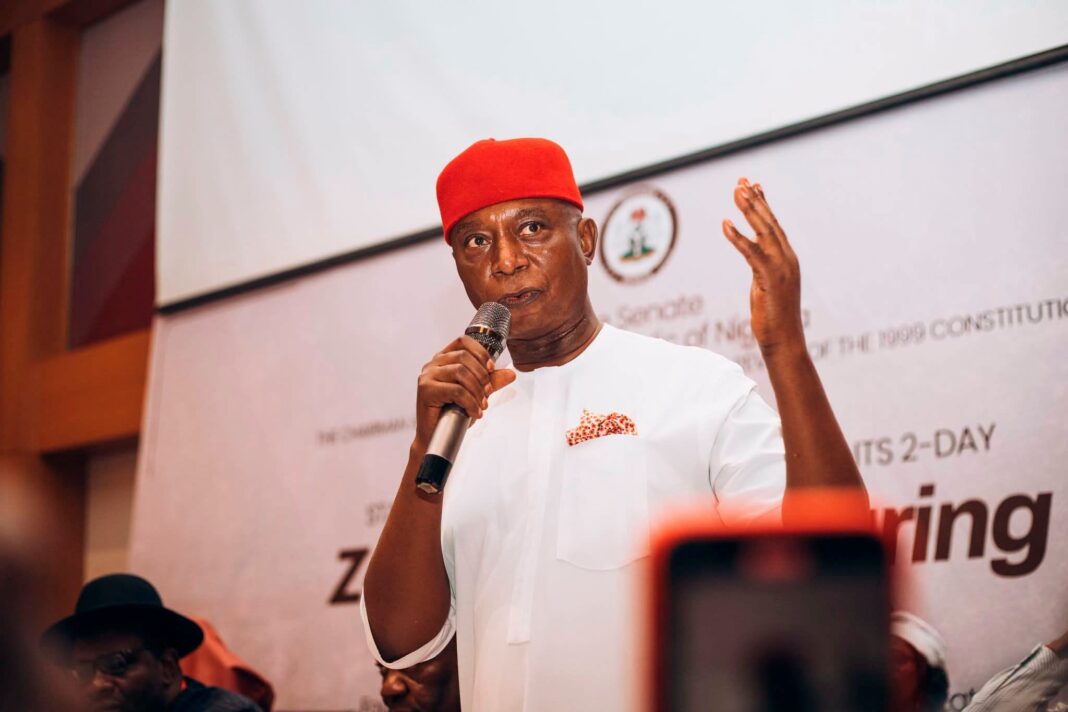

Nigerian Senator Ned Nwoko is backing Bill SB.648, which would require major social media platforms operating in Nigeria to establish a physical presence in the country. The lawmaker presents the measure as a way to create jobs, strengthen the accountability of global technology companies and better integrate Nigeria into the global digital economy’s value chain.
[DIGITAL Business Africa] – “Nigerians, let’s talk.” With this call, Nigerian Senator Ned Nwoko launched a public consultation on 27 July 2026 regarding his proposed legislation targeting major social media platforms. In a Facebook post, the Delta North senator invited internet users to share their views on Bill SB.648, which he initiated.
The bill seeks to amend the Nigeria Data Protection Act 2023 by requiring major digital platforms operating in the country to maintain physical offices there. Facebook, Instagram, WhatsApp, X, TikTok, YouTube and Snapchat are among the services directly concerned by the debate. Following its consideration by the Senate, the bill was presented at a public hearing organised in Abuja by the Senate Committee on Information and Communication Technology and Cybersecurity. The Committee must now review the contributions submitted by the various stakeholders before presenting its report to the Senate.
“Nigeria Must Not Be Just a Market”
For Ned Nwoko, the importance of Nigeria’s digital market justifies a more substantial presence by global technology companies.
“Nigeria should not only be a market for global technology companies; it should also be a country where they invest, create jobs, pay taxes where applicable, and maintain a meaningful presence,” the senator stated in his message.
Bill SB.648 pursues several objectives. These include facilitating engagement between the platforms, Nigerian authorities and institutions; improving user support; strengthening compliance with national data protection regulations; and increasing the legal accountability of companies operating within Nigeria’s digital space.
The establishment of local offices could also support job creation in areas such as software engineering, cybersecurity, content moderation, institutional relations, regulatory compliance, digital advertising, customer service and public policy management. During the public hearing, Ned Nwoko argued that the bill was not intended to discourage innovation, but rather to turn the platforms into genuine corporate citizens in Nigeria.
A Market of Nearly 48 Million Social Media User Identities
Available data confirms Nigeria’s growing weight in Africa’s digital economy. DataReportal’s Digital 2026 report estimates that the country had 109 million internet users at the end of 2025, representing an internet penetration rate of 45.5%.
Nigeria also had 47.8 million active social media user identities in October 2025. This figure represented 20% of the national population and approximately 44% of all internet users in the country. DataReportal nevertheless points out that these “identities” do not necessarily correspond to an equal number of distinct individuals.
The platforms’ advertising tools also reported a potential audience of 38 million users on Facebook, 30.5 million on YouTube and 47.8 million adult users on TikTok. The latter platform reportedly recorded a 43.4% increase in its potential advertising reach between the end of 2024 and the end of 2025.
These figures reinforce the senator’s argument: global platforms benefit from Nigeria’s considerable market without that digital presence always translating into local investments, technical centres, locally based teams or accessible complaint-handling mechanisms.
Concerns Over Freedom of Expression
Bill SB.648 has, however, not received unanimous support. The Socio-Economic Rights and Accountability Project, SERAP, is calling for its withdrawal. The human rights organisation believes that some of its provisions could strengthen the government’s power over the platforms and, consequently, over citizens’ digital communications.
According to SERAP, the legislation would allow the Nigeria Data Protection Commission to prohibit the operations of any platform that fails to comply with the local office requirement within 30 days. The organisation fears that this power could be exercised without sufficient judicial safeguards and could facilitate censorship, surveillance or political pressure against technology companies and their locally based employees.
SERAP also warns that overly broad requirements could impose disproportionate costs on startups, artificial intelligence developers, research institutions and small technology companies. It recommends that any regulation comply with the Nigerian Constitution, fundamental rights and the country’s international commitments.
Between Digital Sovereignty and Democratic Safeguards
The debate launched in Nigeria goes beyond the simple question of opening offices. It raises the broader issue of the position of African countries within the global platform economy.
For several years, many African countries have essentially provided technology giants with users, data, advertising audiences and consumer markets. Senator Ned Nwoko’s stated ambition is to transform this relationship by demanding greater investment, accountability, local tax contributions and skills transfer.
However, the effectiveness of the bill will depend on how it is implemented. Lawmakers will notably have to define the companies concerned, the activity thresholds justifying a mandatory local presence, compliance deadlines, applicable penalties and the remedies available to the platforms. Above all, they must ensure that the pursuit of economic sovereignty does not become an instrument for restricting digital freedoms.
Through his call for dialogue, Ned Nwoko wants to place citizens at the centre of this discussion. The question put to Nigerians is simple, but its implications are considerable: should the country continue to allow platforms reaching tens of millions of people to operate remotely, or should they be required to become fully established economic and institutional players in Nigeria?
Nigeria’s response could inspire other African countries facing the same challenge: securing greater economic value from major digital platforms while protecting innovation, access to information and freedom of expression.
By Digital Business Africa