Real-time access to mobility data to understand and forecast COVID-19 spread trajectories is crucial for effective action and decision-making. Global Voice Group, a leading provider of IT solutions for governments and regulatory authorities, assists governments in making the most of available data to win the fight against the coronavirus calamity.
The company has taken one step further by developing a state-of-the-art live system that helps African Governments track and analyse the COVID-19 Pandemic. Through the anonymization of personal data and strict limits to data access, this solution greatly improves the reactivity and responsiveness of authorities in compliance with privacy laws.
Global Voice Group has anticipated the growing need of decision-makers for real-time metrics and data to accurately assess, among others, citizens exposure to the virus. This is determinant in order to measure the impact of actions aimed at limiting the Covid-19 spread and to oversee citizens compliance with the measures implemented as part of the emergency response.
The Group is currently assessing opportunities to extend the solution implementation in a number of countries where it has already deployed major data collection infrastructures and facilities for other purposes, including telecoms and digital transactions regulatory oversight.
Africa: a Continent in need for Better Resilience
Africa faces this global pandemic less equipped and, therefore, with fewer resources to contain, control and outlive the devastating sanitary, social and economic impacts of this crisis. According to the World Bank, the region’s unique challenges — especially the limited access to safe water and sanitation facilities, urban crowding, weak health systems, and a large informal economy — already make containment policies a big challenge.
Regional governments also lack the sufficient information to track population movements, which further impedes their ability to control the virus spread. Therefore the need for external collaboration in this field is more vital than ever, both from technically and from a knowledge transfer standpoint.
Technological support is required not only to implement these mobility trackers, but also to analyze the related data in order to draft evidence-based policies that really provide the expected results. Moreover, the transfer of ICT knowledge plays a decisive role for equipping sanitary authorities and governments with the right tools to track the virus spread and assess the effectiveness of sanitary measures.
Data to TrackCOVID-19
On the bright side, mobile penetration has experienced fast growth over the past decade throughout the African continent. Within a highly unbanked population, mobile devices are crucial for many purposes, including financial inclusion in many countries. Now, more than ever, location data gathered from mobile networks can save lives by assessing whether sanitary measures are working.
Another positive fact is the existence of GVG mobile data collection systems in many countries. The Group can quickly re-purpose the use of these cutting-edge platforms — primarily implemented for revenue-assurance and regulatory purposes —, to contact tracing in the fight against COVID-19. For example, these Data Collection and Analytics Systems provide analysis layers to identify individuals suspected of carrying the COVID-19 virus. They can trace their path throughout the country and even trace their suspected contacts as well, quickly identified through communication and transactional patterns.
Data is not the sole answer to face this unprecedented scenario, but it certainly is one of the first vital steps to contain COVID-19 and to allocate public health resources in order to curb the outbreak.
[Digital Business Africa] – In an age of containment and social distancing imposed by the global health crisis caused by Coronavirus 2019, companies are innovating and offering new solutions to satisfy their customers and keep their businesses afloat. At SGS, and particularly at the Governments and Institutions division, world leader in inspection, testing, verification and certification, the group reminds that thanks to new technologies, inspections are carried out on your premises under the guidance of an SGS expert. And this, all over the world.
The Swiss group offers exporters and importers its innovative mobile remote digital inspection application called SGS QiiQ®. According to the group’s explanations, “as the world’s leading provider of inspection services, with our unrivalled experience in conducting inspections in all sectors, we offer our expertise remotely using the latest technologies”.
The group, which took the lead few years ago in the implementation of remote solutions, records more than 21,000 inspections per year with this application. With the current global coronavirus health crisis, the group is recording a 30% increase in the use of this application.
Concretely, says SGS, this application allows exporters and importers, wherever they are in the world, to continue their activities despite the Covid-19 crisis, to connect remotely and in real time to an SGS expert who will guide them through all stages of the inspection.
Under this innovative inspection system, SGS uses a combination of conventional and experience-proven inspection techniques and inspectors along with advanced technological tools in order to make better inspection reporting and inspection judgment. This new concept reduces inspection and turnaround time for certificate issuance.
According to the company’s explanations, remote inspection involves a pool of SGS product expert inspectors who are virtually and in real-time connected to the place of inspection. Thanks to SGS QiiQ®, the client‘s contact person will be connected live from the client‘s premises, to an SGS product expert who will guide him remotely through all the steps of the inspection. Once installed on any type of mobile device (tablet, mobile phone or even smart glasses working on android or IOS), SGS QiiQ® simply needs an internet connection (wifi, 3/4G) to connect the Client‘s contact person to the SGS product expert.
The app will record the video inspection stream and allow the SGS product expert to trigger pictures of the inspection process (packing & marking, packages, product, etc.) while directing the Client‘s contact person at each step, asking some probing questions and checking documents like labels, manuals, etc.
Once completed, the full recorded inspections will be available to the Principal, allowing him to assess and audit the remote inspection, by accessing to the video recording and pictures taken by the SGS product expert.
The group assures that SGS QiiQ® provides a highly interactive collaboration experience that is proven across large field deployments. The software can be installed on an unlimited number of smartphones, tablets, smart glasses, and computers.
SGS’s contribution to trade ensuring continuity of their inspection services in such efficient and fast way, during this critical covid19 period, has earned the company the recognition of their clients and Principals.
[Digital Business Africa] – In the face of the global coronavirus crisis, as in any other emergency, the speed and efficiency of our response is proportional to the level of preparedness. To help countries better manage disaster response activities at a time when the frequency, intensity and human and economic impact of disasters is on the rise worldwide, the International Telecommunication Union (ITU) launches new guidelines for the development and implementation of National Emergency Telecommunication Plans.
These guidelines will assist national authorities and policymakers in developing policies and regulations that can ensure the continued use of telecommunication networks and services before, during and after a disaster.
“The exceptional COVID-19 crisis we are going through right now shows how vital information and communication technology networks and services are, both to respond to the current pandemic and to address disaster management,” says ITU Secretary-General Houlin Zhao. “Now more than ever, the implementation of comprehensive national emergency telecommunication plans can ensure there is effective and timely sharing of information across all levels of government, within affected communities and among humanitarian agencies to prioritize response efforts and to save lives.”
A national emergency telecommunication plan sets out a strategy to enable and ensure communication availability during the phases of disaster mitigation, preparedness, response and recovery by promoting coordination and engagement across all levels of government, humanitarian agencies, service providers and communities at risk.
The Guidelines also highlight major areas of risk during a disaster, provide justification for the funding of vital equipment and personnel in an emergency, and advocate the need for day-to-day resources and procedures that keep national authorities prepared, especially in relation to maintaining vital communications, the essential lifeline during emergencies.
“When disaster strikes there is no time to think about what to do and how to organize response. It is crucial that all stakeholders are prepared beforehand and ready to take action,” says Doreen Bogdan-Martin, Director of the ITU Telecommunication Development Bureau. “Mock exercises including tabletop, talk-through and walk-through exercises to full-scale drills, help to ensure smooth emergency response among those involved in disaster management and communications.”
ITU has already assisted several countries in developing their national emergency telecommunication plans, setting up of early warning and monitoring systems and the provision of emergency telecommunications equipment.
With emergency readiness in mind, ITU and the Global Emergency Telecommunications Cluster (ETC), a global network of organizations that work together to provide shared communications services in humanitarian emergencies, have joined forces to develop a Tabletop Emergency Simulation Guide which offers tools to test and refine the national emergency telecommunication plans using simulated scenarios.
“With the growing frequency and complexity of disasters, it’s vital to test, identify and close any gaps in national readiness. The scenarios in this simulation guide will make it easier for all stakeholders to do that ahead of time,” says Enrica Porcari, Chair of the ETC, Chief Information Officer & Director Technology Division of the UN World Food Programme.
About the International Telecommunication Union (ITU)
The International Telecommunication Union (ITU) is the specialized United Nations agency for information and communication technologies (ICTs), driving innovation in ICTs together with 193 Member States and a membership of over 900 companies, universities, and international and regional organizations. Established over 150 years ago in 1865, ITU is the intergovernmental body responsible for coordinating the shared global use of the radio spectrum, promoting international cooperation in assigning satellite orbits, improving communication infrastructure in the developing world, and establishing the worldwide standards that foster seamless interconnection of a vast range of communications systems. From broadband networks to cutting-edge wireless technologies, aeronautical and maritime navigation, radio astronomy, oceanographic and satellite-based earth monitoring as well as converging fixed-mobile phone, Internet and broadcasting technologies, ITU is committed to connecting the world. For more information, visit: www.itu.int
About the Emergency Telecommunications Cluster (ETC)
The Emergency Telecommunications Cluster (ETC) is a global network of organizations that work together to provide shared communications services in humanitarian emergencies. The ETC is one of the 11 clusters designated by the Inter-Agency Standing Committee (IASC).
Addis Ababa, 23 March 2020 (ECA) – African Finance Ministers met on 19 March in a virtual conference to exchange ideas on the efforts of their respective governments in dealing with the social and economic impacts of COVID-19. They noted that even before the COVID-19 pandemic, Africa was already experiencing a huge financing gap in funding measures and programmes aimed at realizing SDGs and Agenda 2063 targets and goals. The Ministers emphasized that without coordinated efforts, the COVID-19 pandemic will have major and adverse implications on African economies and the society at large. Original economic forecasts in most economies are on average, being downgraded by 2-3 percentage points for 2020 due to the pandemic.
The Ministers agreed on the following:
As part of an immediate health response, there is a need for a coordinated response in the logistics and delivery of testing equipment. In this regard, the ministers emphasized the need to work with the WHO and existing continental institutions, in particular, the African Union and Africa CDC, while making maximum use of existing systems and funding partners, such as the Global Fund. Particular attention should be placed on fragile states and vulnerable populations, especially women and children and those living in informal urban settlements. Further, given the limited health infrastructure and the fact that most of the pharmaceuticals and medical supplies consumed in Africa are imported, the Ministers called on the international community to support the upgrade of the health infrastructure and to provide direct support to the existing facilities.
Africa needs an immediate emergency economic stimulus to the tune of US$100 billion. As such, the waiver of all interest payments, estimated at US$44 billion for 2020, and the possible extension of the waiver to the medium term, would provide immediate fiscal space and liquidity to the Governments, in their efforts to respond to the COVID-19 pandemic. The interest payments waiver should include not only interest payments on public debt, but also on sovereign bonds. For fragile states, the ministers agreed on the need to consider waiving principal and interest and encourage the use of existing facilities in the World Bank, International Monetary Fund (IMF), African Development Bank (AfDB) and other regional institutions.
In addition, the ministers underscored the need to support the private sector and protect the over 30 million jobs at risk, particularly in the tourism and airline sectors across the continent. In other critical sectors including agriculture, imports and exports, pharmaceuticals and in banking, the ministers agreed that all interest and principal payments on corporate debt, leases, extended credit facilities, refinancing schemes and guarantee facilities should be used to waive, restructure and provide additional liquidity in 2020. A liquidity line should also be made available to the private sector to ensure the continuity of essential purchases and all SMEs that are dependent on trade can continue to function.
These measures, it was agreed, must accompany a policy of opening borders for trade. In this regard, the ministers noted that Europe and the United States, in particular, can build this in as part of their stimulus to their private and financial systems.
[Digital Business Africa] – In a digital environment complexified by the convergence between mobile services and the Internet, States face increasing risks in terms of digital security. Cyberattacks, identity theft, viruses, piracy, fake news… Confronted with a long list of threats, public authorities must adapt the means to fight these scourges.
While digital security and cybersecurity are everyone’s concern, national security and the citizens protection are the responsibility of governments, which face a twofold challenge: ensuring the digital ecosystem compliance with national regulations as well as the protection of their respective economies. In this context, Africa appears to be the most vulnerable continent to cybercrime due to its lack of adequate digital protection, qualified staff and regulatory coordination.
According to the ITU Global Cybersecurity Index 2018, Africa is the region with the lower number of countries having implemented a cybersecurity strategy. Moreover, only a third of them use metrics to measure cybersecurity.
This lack of digital protection affects governments as well as businesses and citizens, which poses a threat to the stability and growth of the continent. Indeed, cybercrime comes at a cost: about 3.7 billion $ per year, according to a study carried out by the cybersecurity company Jighi in 2018. It is a threat prone to hinder the rise of the digital economy on the continent.
Faced with this growing insecurity, Africa must « invest considerably in cybersecurity in order to calmly tackle the fourth industrial revolution. This is an unavoidable issue for the 460 million mobile phone users on the continent », underlines James Claude, CEO of Global Voice Group, an IT services provider to governments and regulatory authorities in emerging countries.
Digital issues require digital solutions
In this context, public authorities are considering the measures and tools to be deployed to eliminate threats. Because it is not sufficient to implement regulations and require MNOs, ISPs and Gafam to comply with them and intervene in the event of danger, GVG has developed SafetyNet, a platform for securing the digital ecosystem. This measurement tool allows governments and regulatory bodies to monitor the most complex security aspects of websites, blogs and apps.
This digital platform against cybercrime is deployed to eliminate potential threats that could affect different digital channels and endanger the security of Internet users and mobile operators’ subscribers. To do so, it relies on threats identification and analysis, blocking of illicit or non-compliant websites, overall regulatory compliance monitoring, digital identity governance and mobile identity governance.
Identifying and analyzing threats
With an automated real-time data monitoring, SafetyNet supports laws and regulation with an intelligent system that protects the country cyberspace. This tool also provides authorities with a continuous flow of consolidated data also allowing the general monitoring of fiscal compliance and the adoption of appropriate measures. “In the end, it is the guarantee of a better reactivity and proactivity in terms of digital identity governance and cyberconformity, in strict compliance with data protection laws. Ultimately, tackling effectively these threats will allow emerging countries governments to foster confidence in digital nations and therefore their advent, like Kenya and Ghana which formalized their digital agendas in 2018”, said GVG.
[Digital Business Africa] – In light of the development of the COVID-19 virus situation, UNCTAD’s Senior Management took the decision that, effective immediately all meetings involving international participants scheduled until the end of April 2020 should be postponed. So, they have decided to cancel the eCommerce Week 2020.
« Yesterday, UNCTAD’s Senior Management took the decision that, effective immediately all meetings involving international participants scheduled until the end of April 2020 should be postponed. This conclusion was arrived at taking into account the policy of the Swiss Government for the cancellation/postponement of events of 1,000 persons or more, the implications of prevailing limitations on international travel, and the need to minimize undue inconvenience to meeting participants », has explained Sabrina Lelmoli, Programm Management officer at UNCTAD, in an email send today to some participants.
« Ensuring the health and safety of all participants is our primary concern. It is for this reason that we are taking the difficult decision of cancelling the eCommerce Week », she added.
This conclusion was arrived at taking into account the policy of the Swiss Government for the cancellation/postponement of events of 1,000 persons or more, the implications of prevailing limitations on international travel, and the need to minimize undue inconvenience to meeting participants.
« We sincerely apologize for any inconvenience this may cause. However, we look forward to welcoming you in 2021 for a new edition of the eCommerce Week, and also – for those of you who are interested – in Abu Dhabi for the first Asia eCommerce Week from 6 to 10 December 2020. Further information on this exciting event will be shared in the next few weeks », explain UNCTAD in a press release.
UNCTAD’s eCommerce Week was set to take place from 27th April to 01st May 2020 at Palais des Nations in Geneva (Switzerland). It is the leading forum for Ministers, senior government officials, CEOs and other business representatives, international organizations, development banks, academics and civil society to discuss the development opportunities and challenges associated with the evolving digital economy.
The theme of the eCommerce Week 2020 was “Creating Value in the Digital Economy”.
A WORLD-CLASS PROVIDER OF DIGITAL SOLUTIONS FOR GOVERNMENTS AND REGULATORS, WILL PARTICIPATE IN FINTEX AFRICA [2] ON 12 -13 FEBRUARY AT THE KIGALI’S CONVENTION CENTER. IN THIS FLAGSHIP EVENT ON BANKING AND FINTECH INNOVATION, GVG’S CEO JAMES CLAUDE WILL SPEAK ABOUT FINANCIAL INCLUSION.
During two days, the topics to be debated include finance beyond mobile money, blockchain potential to transform Africa, building of data-driven banking, the future of world of payments, open-banking innovations and key barriers to AI adoption.
Participating in the panel ‘BUILDING A FINANCIALLY INCLUSIVE AFRICA’ (12 February, 11.00-11.45am), Mr Claude will share his expertise in information and communication technologies and unveil the most recent achievements of GVG as a Big data, monitoring and measurement solutions provider and developer, using real-time data analysis technologies in emerging countries. He will focus specifically on how Fintech innovators and compliance can help governments and the financial sector to meet inclusive growth goals.
“Africa accounts for almost half the world’s mobile money users. Mobile money is a major economic driver on the continent as it allows for the financial inclusion of 66% of the unbanked population in sub-Saharan Africa. Sustaining this trend requires securing the ecosystem through the digitization of mobile money transaction monitoring tools in order to obtain real-time stats, carry out in-depth analyses and ensure compliance and security of the operations. This approach is also suitable for remittances, banking transactions and other development catalysts for recipient countries”, says James Claude.
This fourth edition of Fintex Africa will bring together more than 400 industry leaders from over 25 countries. It will feature the largest showcase of innovative technologies for African banks – everything from digital banking platforms to cloud computing, data analytics to artificial intelligence, cyber security to blockchain and payments to biometrics.
ABOUT GLOBAL VOICE GROUP Founded in 1998, with its main offices in Spain and South Africa, GVG has rapidly grown to become a prominent provider of world-class IT solutions to governments and regulatory authorities. The company works with governments and State agencies across a number of critical areas, including telecom regulation, digital security, mobile money and monetary transactions oversight, electronic tax solutions and revenue mobilization. Overall, GVG assists governments and authorities in their digital transformation and the effective promotion of a compliant and truly inclusive digital ecosystem.
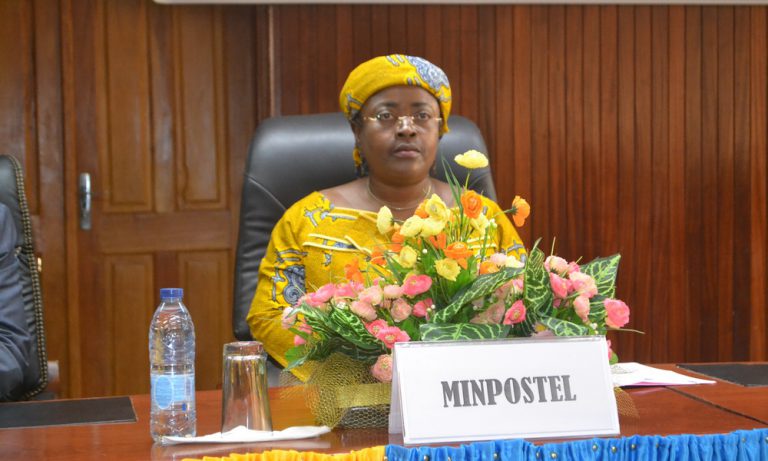
[Digital Business Africa] – “By 2030, revenues generated by big data in Africa will reach 10 billion dollars, but how much of this will stay in Africa, how many of our youths will play a leading role in the creation of this wealth as a function of their skills and to what extent will the big data economy transform our private sectors and productivity” quizzed Cameroon’s Minister of Posts and Telecommunications Minette Libom Li Likeng today, 03rd December 2019, as she opened a two-day continental meeting on these issues, convened in Yaounde, by the UN Economic Commission for Africa (ECA).
The Minister’s reference to that statistic from BearingPoint (itself a non-African multinational management and technology consulting firm) brought into focus the pertinence of the Expert Group Meeting on Fostering African Private Sector in the Big Data Era which is being attended by Africa’s big and small players in the game.
They include: policymakers, ICT and private sector experts and start-ups, representatives of regional economic communities and intergovernmental organizations, representatives of regional and international organizations; telecommunications practitioners, civil society actors, academics and researchers.
Based on their recognized expertise, participants are tasked with reviewing an issue paper on the place and future of big data within Africa’s private sector in view of: Exploring the potential of big data in accelerating innovation for the socio-economic development of the continent Assessing the current status and challenges in the development of Big Data in Africa Providing policy recommendations for consideration by African policy, and decision-makers for the development of the private sector in realizing the big data opportunities for Africa’s transformation and meeting the 2030 UN Agenda for Sustainable Development Goals and the African Union’s Agenda 2063.
Noting that the data revolution which is linked to the 4th industrial revolution has given rise to a highly transformational global digital economy, Minister Li Likeng regretted that Africa, especially its private sector, faces three major challenges with regard to big data which she considers “indispensable infrastructure for our economies.”
First, is the challenge of access to ICT infrastructure; second is inadequate capacity to analyze the huge amounts of data being churned out; third is the issue of trust in the digital ecosystem. These, she said, make it difficult for African firms to take advantage of data which reveals information on potential risks and makes it easy to conquer various client segments.
“However the more worrying issue is not lateness in the rhythm of adoption but lack of preparedness” she observed, citing a study which reveals that only 24% of Small and Medium Sized Enterprises (SMEs) on the continent are preparing big data strategies as against 43% of Very Small Business (VSB).
One of the experts, Dr. Jimson Olufuye, CEO of Kontemporary Konsulting Ltd and Founder of Africa ICT Alliance, opined that Africa has to “focus on the low hanging fruits – things that we can easily do to transform our governing structures and guide the private sector on the production and appropriation of Big Data”.
To Mr. Kennedy F. Tumenta, CEO of the African Business Information Bank, “we must create an African structure to collect, mine and transform big data as well as a pan-African structure to pose as a global big data giant.”
This is what Mr. Blaise Azitem Ina, Adviser to the Minister of ICTs and Digital Economy in the Democratic Republic of Congo, termed “appropriating our very own big data infrastructure as a matter of sovereignty.”
While some experts insisted on revolutionary training of Africa’s youth in data science, others raised the primacy of integrating pieces of physical infrastructure for data transmission between African countries, notably by linking up optical fiber networks.
Mr. Adama Coulibaly, Head of the Subregional Initiatives Section of ECA’s Subregional Office for Central Africa, who represented the Office’s Director, said “it is necessary for African countries to master the stakes of Big Data in order to tame and profit from it while guaranteeing the quality of information produced, by optimizing data processing, linking all the information-based trades and ensuring the data security” on the continent.
On his part, Mr. Mactar Seck of the Green Economy and Technology Section within the Technology, Climate Change and Natural resources Division (TCND) of ECA highlighted the importance of the role of African private sector in big data era. He gave context to the activity of the ECA Digital Center for Excellence on Digital ID, Digital Trade and Digital Economy and promised participants a very engaging session as he praised the leadership of Cameroon for being resolutely engaged in a digital transition plan, with the technical assistance of the Commission The Expert Group Meeting on Fostering African Private Sector in the Big Data Era will precede the 2019 Annual Africa Regional Review of the implementation of priorities of the World Summit of the Information Society (WSIS) ahead of the 2020 Forum of the Summit known as WSIS + 15 next April in Geneva. Digital Business Africa and ECA
Communications service providers in Egypt, Ireland and South Africa are the latest to benefit from Ericsson’s Business Support Systems (BSS) leadership, helping them to navigate the demands of 5G monetization.
Ericsson Business Support Solutions (BSS) continue to play an important role in helping operators address 5G-enalbled opportunities and deploy new services more quickly and efficiently. Ericsson currently supports two billion global subscribers with its digital BSS platform – designed to support customer-centric business operations and digital engagement for the 5G era.
In October 2019, Ericsson signed an agreement to transform Vodafone Egypt’s BSS into an industrialized, real-time converged environment. Covering upgrades to the latest versions of Ericsson Charging and Ericsson Mediation, the agreement will provide Vodafone Egypt a seamless, flexible, and cost-cutting evolution towards 5G and IoT readiness.
Alexandre Froment-Curtil, Vodafone Egypt CEO says: “In line with our commitment to innovate, and our strategy focusing on digital transformation, Vodafone Egypt aims to ensure that we actively reduce time-to-market in a way that would not affect customer experience. Ericsson’s billing solution has played a role in enabling our customers to enjoy our new services more quickly and efficiently.”
As 5G uptake continues to ramp up, the need to provide the best customer experience has become critical. Today, Ericsson is the only 5G network technology vendor with a complete digital BSS solution.
In another recent agreement, Ericsson is supporting Ireland’s largest telecom provider, eir, to consolidate the company’s multiple charging systems using the single, comprehensive Ericsson Charging System.
Delivering an all-inclusive solution combining eir’s voice, SMS, and mobile broadband business, Ericsson will provide a future-proof Online Charging System (OCS) to enable increased simplification, greater network stability, and a wider range of functionalities set to benefit eir with an overall reduction in costs and the flexibility to target new markets – including support for new 5G use cases.
And in South Africa, Ericsson and MTN recently announced a multi-year agreement to modernize, support, and manage the operator’s digital BSS. Ericsson’s Digital BSS suite will cover critical business processes, such as lead-to-service and service-to-cash, that are at the center of MTN Revenue Management and MTN’s Customer Experience focus areas.
Leveraging Ericsson’s Catalog Manager and Ericsson Order Care, MTN will be able to digitalize the product lifecycle from offer creation to fulfillment, while Order Care will equip them to realize operational improvements and service augmentation as well as coordinate hybrid workflows across services, systems, and groups.
Ericsson’s Digital Business Support System offering provides a full set of charging, billing and catalog capabilities for the digital operator. Its integrated portfolio includes Ericsson BSS products and partner ecosystem, backed by analytics-driven, real-time service and experience control. This end-to-end offering is helping service providers capture digitally-enabled monetization opportunities by improving customer experience and supporting business models for current or future innovations.
[Digital Business Africa] – Seedstars, SAFEEM and GIZ aim have joined forces to increase women participation across all levels to achieve an improved gender balance. The project aims to increase and catalyse investments for women-led startups in Sub-Saharan Africa, drive more inclusive training opportunities for women-led startups across the continent, highlight more women entrepreneurs and to create a tool kit of best practices that aim at achieving an improved gender balance.
Seedstars is partnering with The Swiss Association for Entrepreneurship in Emerging Markets (SAFEEM) and GIZ (Deutsche Gesellschaft für Internationale Zusammenarbeit), the German Development Agency that supports the German Government, especially the Federal Ministry for Economic Cooperation and Development(BMZ), in achieving its objectives in the field of international cooperation for sustainable development. Together they are launching the Gender Equality Entrepreneurship Track and will focus on achieving gender balance during the Seedstars World competition, the largest seed-stage startup competition for emerging markets and fast-growing startup scenes. The overall objective of the gender equality entrepreneurship project within the Seedstars World Competition is to achieve and improve gender balance across all levels of human participation within the Seedstars World initiative and support the growth of women-led high growth startups in Sub-Saharan Africa. Seedstars, SAFEEM and GIZ on behalf of the BMZ hope to reach multiple goals through the initiative: Increase the number of women finalists, increase the number of women stakeholders across all levels of the Seedstars World Competition (jury, speakers and investors) as well as increasing the number of women-led startups closing their fundraising round. The initiative will also focus on highlighting more women role models as part of Seedstars global series of webisodes covering entrepreneurs from a number of emerging markets. Lastly, the initiative aims to uncover and collect a number of best practices related to achieving a better gender balance in entrepreneurship support initiatives. Through the gender equality track, it is expected that 50 – 75 women led startups will be directly impacted across 4 countries (Mozambique, Mali, Côte d’Ivoire, South Africa). The project will pilot in Mozambique, Côte d’Ivoire, Mali and South Africa. In each of these countries the best women entrepreneurs will be invited to participate in the Seedstars Local.
Seedstars Summit Africa.
Event Bootcamps. In addition, the initiative will award the “Women Entrepreneurship Prize” as part of the Gender Equality track and will join the Seedstars Summit Africa in December, as part of an all-women delegation in South Africa in December organised by SAFEEM. 5 supplementary prizes will be awarded to aspiring women entrepreneurs (ideation stage) who will be able to apply through a seperate application portal. The Women Entrepreneurship Prize given will consist of an all-inclusive flight, accommodation, VIP access to the Regional Summit for 10 women-led startups. At the Regional summit they will receive: 1:1 mentoring, group mentorship sessions, 1:1 investor meetings, access to expert workshops, full executive access to the Africa Summit (main day). To be eligible for the prize, women entrepreneurs should meet the following criteria: ● She applied to the Local competition OR She pitched during the local event ● She must be part of the founding team Moreover, an all-women delegation will be formed to attend the Africa Summit, consisting of winners of the Gender Equality Entrepreneurship Track, local Entrepreneurship Support Organisations that are women led, women Investors, women Speakers and women Experts and Mentors.
ABOUT SEEDSTARS “They tried to bury us, they didn’t know we were seeds.” – Mexican proverb Seedstars is a Swiss-based private group of companies with a mission to impact people’s lives in emerging markets through technology and entrepreneurship. The groups’ activities cover over 80 emerging ecosystems through a variety of events such as the Seedstars World Competition, acceleration programs, physical hubs called Seedspace, venture capital investments and company building activities
About GIZ As a provider of international cooperation services for sustainable development and international education work, we are dedicated to building a future worth living around the world. GIZ has over 50 years of experience in a wide variety of areas, including economic development and employment, energy and the environment, and peace and security. The diverse expertise of our federal enterprise is in demand around the globe, with the German Government, European Union institutions, the United Nations, the private sector and governments of other countries all benefiting from our services. We work with businesses, civil society actors and research institutions, fostering successful interaction between development policy and other policy fields and areas of activity. The German Federal Ministry for Economic Cooperation and Development (BMZ) is our main commissioning party.
[Digital Business Africa] – A Meeting to discuss ICT (Information and Communication Technologies) harmonisation in Africa, how to monitor and evaluate the progress and way forward to better adapt Africa policy and regulatory environment to the challenges of digital transformation has taken place in Addis Ababa, Ethiopia, on september 5, 2019.
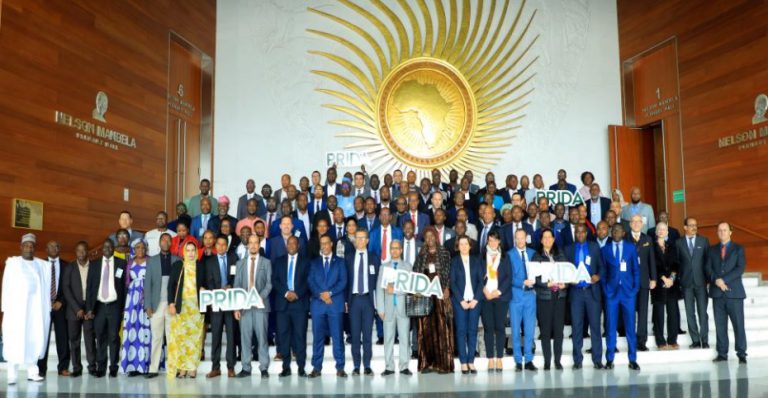
The Policy and Regulation Initiative for Digital Africa (PRIDA) Continental Meeting on “ICT harmonization in Africa: How to monitor and evaluate it? “brought together more than One Hundred Forty (140) participants, including Experts and Senior Government Officials from over fifty (50) African Countries as well as representatives from the Regional Economic Communities (RECs), Regional Association of Regulators and the African Telecommunication Union (ATU) in addition to representatives of ICT private sector and partners, the European Union, including the Body of European Regulators for Electronic Communications (BEREC), and the International Telecommunications Union (ITU).
In his opening remarks, Mr. Thomas Huyghebaert, Head of
Cooperation of the EU Delegation to the African Union, recalled that the
initiative is a key flagship of the AU (African Union) – EU (European Union)
cooperation on digitalisation and underlined its importance and potential to
boost the digital transformation of the continent, also benefitting from the
exchange of experience between the two Unions.
Policy and Regulation Initiative for Digital Africa (PRIDA)
On behalf of the AU Commission Mr. Moctar Yedaly, Head of
Information the Society
Division, welcomed the participants to the meeting and thanked them for the commitment
to support the PRIDA initiative as a cornerstone for the creation of favourable
conditions for the development of African digital market. He recalled the role
and mandate of the AU Commission in harmonising policies and coordinating regional
initiatives as key factors for enabling development and achieving continental integration
as per the Agenda 2063 aspirations.
Mr. Yedaly emphasized the importance of the Policy and Regulatory Initiative for Digital Africa (PRIDA) as an enabler of the Africa Digital Transformation Agenda. The meeting has been a great opportunity for African governments and regional organisations to assess current and past harmonisation initiatives, identify trends and gaps of policy and regulatory approaches both at national, regional and continental levels. The meeting has also explored possibilities for reforms and improvements towards achieving appropriate regulatory responses to foster the digital transformation of Africa society and economy as well as harmonization methodology and related Monitoring and Evaluation System.
African experts have identified common priority areas for
African countries to be addressed under PRIDA initiative and adopt a two-year
roadmap to enhance harmonization of ICT/telecommunications policies,
legislative and regulatory frameworks across Africa in such a manner as to
allow their monitoring and evaluation.
The meeting has been a great opportunity for African governments and regional organisations to assess current and past harmonisation initiatives, identify trends and gaps of policy and regulatory approaches both at national, regional and continental levels. The meeting has also explored possibilities for reforms and improvements towards achieving appropriate regulatory responses to foster the digital transformation of Africa society and economy as well as harmonization methodology and related Monitoring and Evaluation System. “PRIDA” stands for “Policy and Regulation Initiative for Digital Africa”. It is a joint initiative of the African Union (AU), the European Union (EU) and the International Telecommunication Union (ITU) that aims at enabling the African continent to reap the benefits of digitalisation, by addressing various dimensions of broadband demand and supply in Africa and by building the capacities of African stakeholders in the Internet Governance space.
The three years initiative (2018 – 2022) is supported by the
EU-funded Pan African Programme, with a specific envelope of 7.5 Mo€, and a
contribution to the African Union Budget to the level of up to 1 Mo€ per year.
Directorate of Information and Communication. African Union
Commission
E mail: [email protected]
MIT Inclusive Innovation Challenge (IIC) Africa Regional event will be held in Addis Ababa, Ethiopia on 20 September 2019. Event to also convene Summit on inclusive innovation and technology in Africa.
Liquid Telecom is the regional collaborator for the 2019 MIT IIC where more than 400 applicants from 35 African countries entered the challenge. Following a rigorous evaluation process, 12 winning regional finalists have been selected pitch their future of work solutions to a Selection Panel of regional experts at the event on September 20. Four regional winners, one from each IIC category (see below), will be chosen live at the event to proceed to a Gala at MIT (Cambridge, Massachusetts, USA) on November 21 for the chance to win part of a $1 million Global Grand Prize.
To mark the finale of the 2019 Challenge, Liquid Telecom is hosting the African Inclusive Innovation Summit, a one day event highlighting how technology is creating economic opportunity for low-and middle-income earners across Africa. The Summit will be held in partnership with the African Union Commission, the Ethiopian Jobs Creation Commission (JCC), and the Ethiopian Ministry of Innovation and Technology.
During the event, start-ups, investors, policy makers, and technology thought leaders will share their insights and knowledge across a series of keynotes, panels, and workshops. The Summit will then culminate with the MIT IIC regional celebration and pitch contest.
“With the arrival of the 4th Industrial Revolution, there has never been a better time to showcase some of the latest technologies and explore how they can be used as a force for good in Africa. Liquid Telecom is proud and excited to help lead the debate and discussion at the African Inclusive Innovation Summit. By showcasing some of the continent’s brightest tech talent during the regional finale of MIT’s Inclusive Innovation Challenge, applicants will be motivated and exposed to new and relevant opportunities to take their ambitions to the next level,” said Liquid Telecom’s Chief Innovation and Technology Officer, Ben Roberts.
The African Union Commission is joining this effort under their 1 Million by 2021 Initiative which seeks to implement tangible interventions in the key areas of Education, Employment, Entrepreneurship and Engagement (4E’s), and aims to reach at least 1 million youth by 2021 on these 4E’s.
The Commissioner of Human Resources, Science & Technology H.E Prof. Sarah Anyang Agbor said: “This is a significant partnership that launches a deeper engagement between Liquid Telecom and the African Union Commission as we collaboratively move towards our common vision of an integrated and prosperous African continent. The efforts to effectively harness Africa’s demographic dividend can only be accelerated in collaborating with dedicated stakeholders. We remain grateful to these partners who are as invested as us in ensuring that the potential of youth on the continent is realised by tapping into these areas which recognise the importance of digital skills as an avenue to achieve sustainable economic development.”
The Ethiopian government has also partnered to help support the country’s young and promising tech start-up scene, by creating increased opportunities for pan-African engagement and best-practice sharing amongst start-ups.
Dr. Ephrem T. Lemango, Commissioner of the Jobs Creation Commission said: “Ethiopia has set an ambitious goal of creating 3 million jobs in 1 year. This goal will only be met through the active participation of the private sector and start-ups – especially those in tech. We are glad to welcome the African Inclusive Innovation Summit this year, as it gives us the opportunity to engage with players across the continent who are using technology to create jobs and economic opportunity in Africa. We look forward to sharing experiences and seeing what we can apply to further our efforts in Ethiopia.”
The State Minister of Innovation and Technology (MInT), H.E Ato Sisay Tola added: “We at MinT are working on creating an enabling environment for tech firms and start-ups to be born and thrive in Ethiopia. As we prioritise creating the right policies, building infrastructure, and growing our country’s tech skillset we want to make sure we are being innovative and inclusive in all that we do. For this reason, we are happy to welcome the MIT Inclusive Innovation Challenge and this Summit to Ethiopia to continue these conversations and exchange best practices.”
Écrit par Liquid Telecom
The African regional finalists of MIT’s Inclusive Innovation Challenge (IIC) 2019:
[Digital Business Africa] —
Makonjo Media has today August 13, 2019 announced
the launch of two coding bootcamps in Buea. Launched in partnership with
US-based technology company TekCitadel LLC, the coding bootcamps are geared
towards university STEM (Science, Technology, Engineering, Maths) graduates and
teach the PHP and Frontend skills necessary to become proficient in full-stack
development.
The 24-week program begins on September 5, 2019, with one onsite class a
week every Thursday (1 to 3 pm) at Makonjo Media, Buea.
“We are proud to partner with
TekCitadel LLC of the US to provide Silicon Mountain’s workforce with more
pathways into Cameroon’s growing tech sector,” said Otto
Akama, Managing Director and Founder of Makonjo Media. “Registration for each of these bootcamps is FCFA 20,000. The tuition
fees of FCFA 150,000 is fully sponsored by TekCitadel and students who quit the
training before completion will be required to refund the full scholarship of
FCFA 150,000.”
The objective of this program is to introduce university STEM graduates
into a career in Web Engineering. After this program, participants can choose to
continue with any of the tens of rewarding career paths in Software
Engineering. This could be the start of your journey towards a rewarding career
and financial freedom.
The competition for tech talent is becoming fiercer among employers in
Buea and across the country. With the outflow of software engineering talent
brought about by the growing insecurity in Cameroon, Software Engineer is one
of the most in-demand jobs in the Silicon Mountain. In the next five years
alone, this ecosystem will need more technology workers.
“The fast pace of growth in the technology industry is driving us to engage in more programs that meet the needs of Africa’s working professionals,” said Kenneth Ngah, Founder of TekCitadel. “The coding bootcamp will help university STEM graduates here in Buea capitalize on the exploding demand for digital skills and bridge local hiring gaps. By partnering with Makonjo Media to deliver the full-stack web development bootcamp, we ensure that participants get access to a continuously updated curriculum and instructors who work in the tech industry themselves.”
Pairing TekCitadel’s tech community building strengths with Makonjo’s
market-driven coding and career curriculum offers participants both the
competence and confidence to succeed in the technology industry. The program’s
curriculum covers intensive training in Web Technologies (HTML, CSS,
JavaScript), PHP, MySQL, PHP Laravel, Advanced JavaScript and CSS, and ReactJS
for Frontend Development. While no previous training or experience is required,
applicants should have a background in Computer Science, Maths, or Physics.
In addition to classroom instruction, course participants will complete
lessons, exercises, and projects at home. They will also build a professional
project portfolio to showcase their abilities and hone their competitive edge
in the employment market.
Enrolment for these bootcamps is now open. Apply here:
Makonjo Media is a digital media and technology company with a mission
to build tools and platforms that promote honest and progressive conversations.
Founded by Otto Akama in 2017, Makonjo Media has grown to serve organizations
across different sizes and sectors, assisting them in digital marketing, app
development, and content creation. Since the company’s launch, Makonjo Media’s
intensive, skills-based training programs have helped many working adults to
successfully build the skills in software engineering companies sought after.
About TekCitadel LLC
TekCitadel LLC is a US-based technology company that links startups and companies in the US to the best talent and expertise from tech and design agencies in Africa. TekCitadel’s curation of tech agencies enables startups and companies in the US to maximize the burgeoning tech and design talent from Africa at very affordable rates yet, excellent deliverables.
TekCitadel also partners with co-working firms and Accelerators in building
Micro-Tech Communities around Web Technologies, creating open learning for
students and technology enthusiasts to have ongoing skill development.
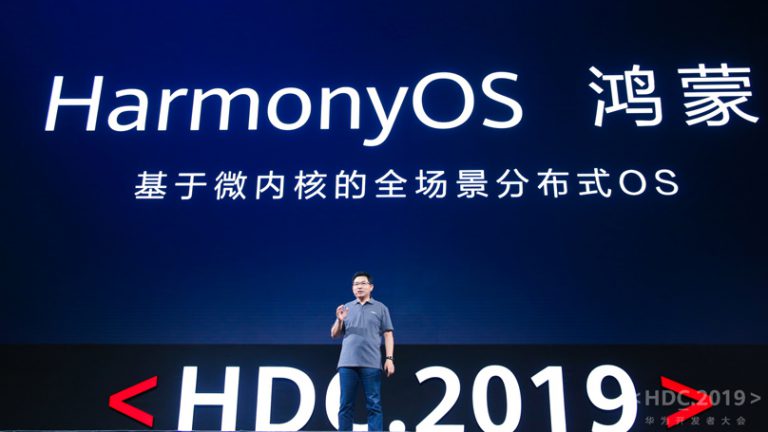
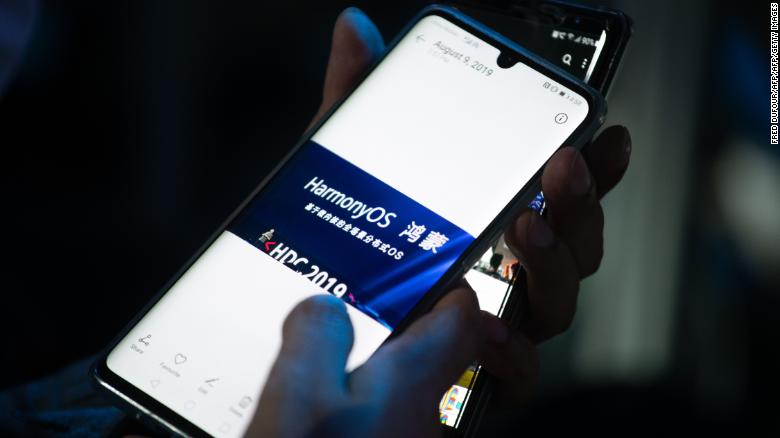
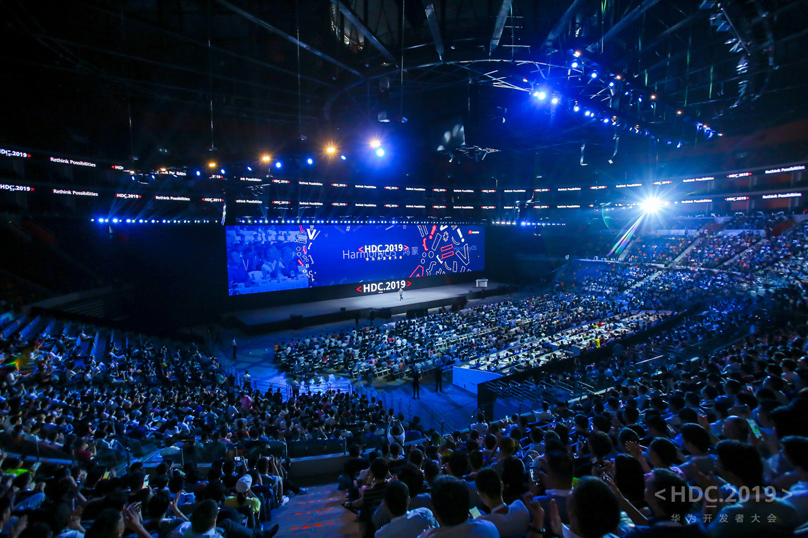
[Digital Business Africa] – At the Huawei Developer Conference on August 9, 2019 at Dongguan in China, Huawei launched HarmonyOS – a new microkernel-based, distributed operating system designed to deliver a cohesive user experience across all devices and scenarios.
Richard Yu, CEO of Huawei’s Consumer Business Group, explained the company’s thoughts behind developing this new OS. “We’re entering a day and age where people expect a holistic intelligent experience across all devices and scenarios. To support this, we felt it was important to have an operating system with improved cross-platform capabilities. We needed an OS that supports all scenarios, that can be used across a broad range of devices and platforms, and that can meet consumer demand for low latency and strong security.”
“These were our goals with HarmonyOS,” he continued. “HarmonyOS is completely different from Android and iOS. It is a microkernel-based, distributed OS that delivers a smooth experience across all scenarios. It has trustworthy and secure architecture, and it supports seamless collaboration across devices. You can develop your apps once, then flexibly deploy them across a range of different devices.”
Traditionally, new operating systems are released alongside new types of devices. As early as 10 years ago, Huawei envisioned a future where intelligence would seamlessly integrate with all aspects of our lives, and it began exploring how it might deliver this experience – one that would transcend the boundaries of physical space and span different hardware and platforms.
HarmonyOS is a lightweight, compact operating system with powerful functionality, and it will first be used for smart devices like smart watches, smart screens, in-vehicle systems, and smart speakers. Through this implementation Huawei aims to establish an integrated and shared ecosystem across devices, create a secure and reliable runtime environment, and deliver a holistic intelligent experience across every interaction with every device.
HarmonyOS – Four distinct technical features
An all-scenario, intelligent experience sets a high bar for connectivity, so HarmonyOS was designed with four distinct technical features to deliver on its promise to consumers.
huawei harmonyos
1. Seamless: First-ever device OS with distributed architecture, delivering a seamless experience across devices
By adopting distributed architecture and distributed virtual bus technology, HarmonyOS offers a shared communications platform, distributed data management, distributed task scheduling, and virtual peripherals. With HarmonyOS, app developers won’t have to deal with the underlying technology for distributed apps, allowing them to focus on their own individual service logic. Developing distributed apps will be easier than ever before. Apps built on HarmonyOS can run on different devices while delivering a seamless, collaborative experience across all scenarios.
2. Smooth: Deterministic Latency Engine and high-performance IPC
HarmonyOS will address underperformance challenges with a Deterministic Latency Engine and high-performance Inter Process Communication (IPC). The Deterministic Latency Engine sets task execution priorities and time limits for scheduling in advance. Resources will gravitate toward tasks with higher priorities, reducing the response latency of apps by 25.7%. The microkernel can make IPC performance up to five times more efficient than existing systems.
3. Secure: Microkernel architecture that reshapes security and trustworthiness from the ground up
HarmonyOS uses a brand-new microkernel design that features enhanced security and low latency. This microkernel was designed to simplify kernel functions, implement as many system services as possible in user mode outside the kernel, and add mutual security protection. The microkernel itself provides only the most basic services like thread scheduling and IPC.
Harmony OS’s microkernel design uses formal verification methods to reshape security and trustworthiness from the ground up in a Trusted Execution Environment (TEE). Formal verification methods are an effective mathematical approach to validate system correctness from the source, while traditional verification methods, such as functional verification and attack simulation, are confined to limited scenarios. Formal methods, by contrast, can use data models to verify all software running paths.
HarmonyOS is the first OS to use formal verification in device TEE, significantly improving security. In addition, because the HarmonyOS microkernel has much less code (roughly one-thousandth the amount of the Linux kernel), the probability of attack is greatly reduced.
4. Unified: Multi-device IDE allows apps to be developed once and deployed across multiple devices
Powered by a multi-device IDE, multi-language unified compilation, and a distributed architecture kit, HarmonyOS can automatically adapt to different screen layout controls and interactions, and support both drag-and-drop control and preview-oriented visual programming. This allows developers to more efficiently build apps that run on multiple devices. With a multi-device IDE, developers can code their apps once and deploy them across multiple devices, creating a tightly integrated ecosystem across all user devices.
The HUAWEI ARK Compiler is the first static compiler that can perform on par with Android’s virtual machine, enabling developers to compile a broad range of advanced languages into machine code in a single, unified environment. By supporting unified compilation in multiple languages, the HUAWEI ARK Compiler will help developers greatly improve their productivity.
HarmonyOS will deliver an intelligent experience across all user scenarios
Developer plan and ecosystem development
At today’s conference, Huawei also announced the evolution roadmap for HarmonyOS and its kernel. HarmonyOS 1.0 will be first adopted in its smart screen products, which are due to launch later this year. Over the next three years, HarmonyOS will be optimized and gradually adopted across a broader range of smart devices, including wearables, HUAWEI Vision, and head units for your car.
The success of HarmonyOS will depend on a dynamic ecosystem of apps and developers. To encourage broader adoption, Huawei will release HarmonyOS as an open-source platform, worldwide. Huawei will also establish an open-source foundation and an open-source community to support more in-depth collaboration with developers.
China is home to a strong app ecosystem and a massive user base. Moving forward, Huawei will lay the foundations for HarmonyOS in the Chinese market, and then expand it further to the global ecosystem. With a focus on providing new and unique value, Huawei will open up and share its core capabilities in areas like connectivity, cameras, and AI. It will work closely with ecosystem partners to deliver apps and services that provide consumers with the best possible experience and bring new life to the industry.
HarmonyOS will bring incredible new benefits to consumers, equipment vendors, and developers. For consumers, it will bring a cohesive and powerful intelligent experience across all aspects of their lives. For equipment vendors, it will help them gain a first-mover advantage in the age of holistic intelligent experience, where 5G, AI, and IoT will see explosive growth. At the same time, HarmonyOS will enable developers to win over more users with less investment, and rapidly innovate services across all scenarios.
“We believe HarmonyOS will revitalize the industry and enrich the ecosystem,” said Richard Yu. “Our goal is to bring people a truly engaging and diverse experience. We want to invite developers from around the world to join us as we build out this new ecosystem. Together, we will deliver an intelligent experience for consumers in all scenarios.”
About Huawei Consumer BG
Huawei’s products and services are available in more than 170 countries and are used by a third of the world’s population. Fifteen R&D centres have been set up in the United States, Germany, Sweden, Russia, India and China. Huawei Consumer BG is one of Huawei’s three business units and covers smartphones, PC and tablets, wearables and cloud services, etc. Huawei’s global network is built on almost 30 years of expertise in the telecom industry and is dedicated to delivering the latest technological advances to consumers around the world.
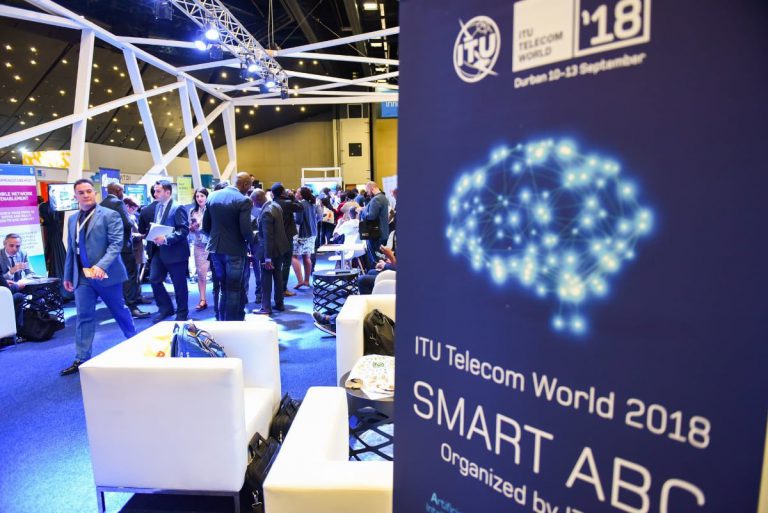
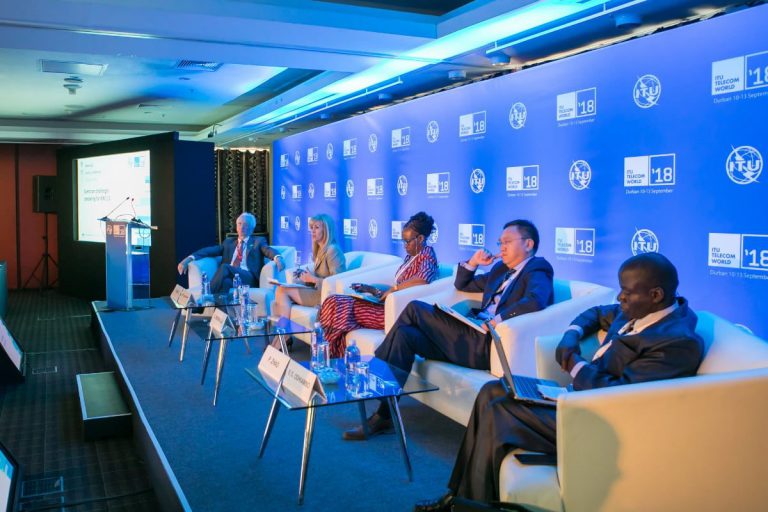
[Digital Business Africa] – Decision-makers from across the tech industry and from governments across the globe will come together from 9-12 September at Hungexpo, Budapest, Hungary to exhibit, debate, network and reward innovation at ITU Telecom World 2019, the leading United Nations global technology event for governments, corporates and small- and medium-sized enterprises (SMEs).
WHAT: ITU Telecom World 2019, the leading United Nations global technology event for governments, corporates and small- and medium-sized enterprises (SMEs).
WHEN: 9-12 September 2019.
WHERE: Hungexpo, Budapest, Hungary.
WHY: Technology can achieve results at a scale, speed, quality, accuracy and cost not imaginable just a decade ago. They are means to deliver quality goods and services in the areas of health care, education, finance, commerce, governance and agriculture, among others. They can help to reduce poverty and hunger, boost health, create new jobs, mitigate climate change, improve energy efficiency and make cities and communities sustainable.
At ITU Telecom World, media and participants will discover tech innovations, solutions and opportunities from around the world, hear from top decision-makers on the need for international collaboration to ensure digital technologies transform lives positively everywhere and meet those being recognized for their innovation at the ITU Telecom World Awards.
WHO: International audience comprising C-level industry executives, government leaders, ministers and regulators of ICT and related sectors (finance, transport and health), digital visionaries, global media, consultants, academia and the flourishing small- and medium-sized enterprises (SMEs) community from across both developed and emerging markets..
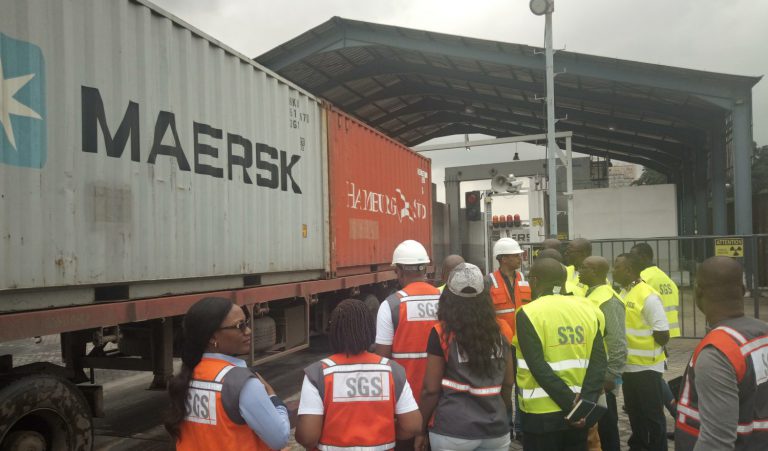
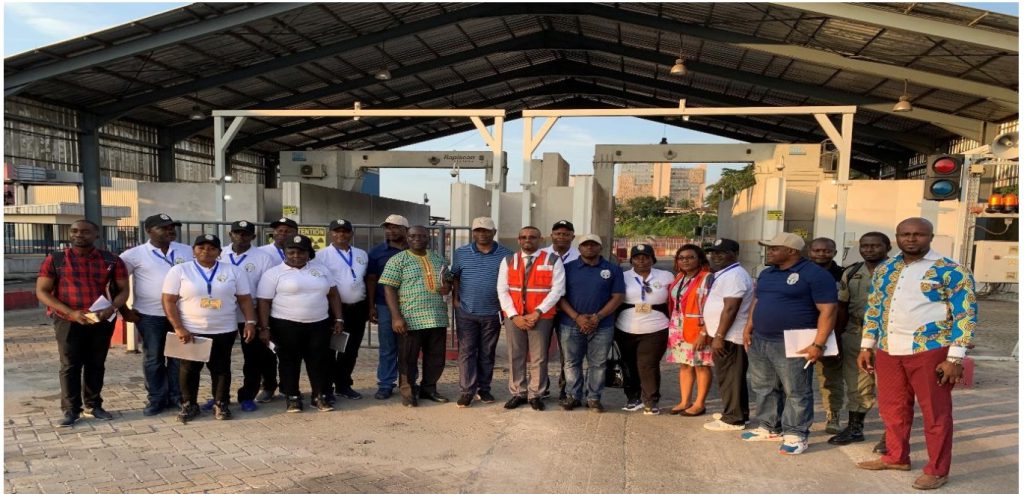
[Digital Business Africa] – After the customs services of Benin, the customs services of Nigeria are also interested in the Cameroon experience in the management and digitization of customs operations. A delegation of about fifteen experts from the Nigerian Customs Service, led by Mr. BA ADEYINI, Comptroller at the Nigerian Customs Services (NCS), carried out on July 16, 2019 an impregnation visit to the Port Authority of Douala to inquire about methods of scanning containers.
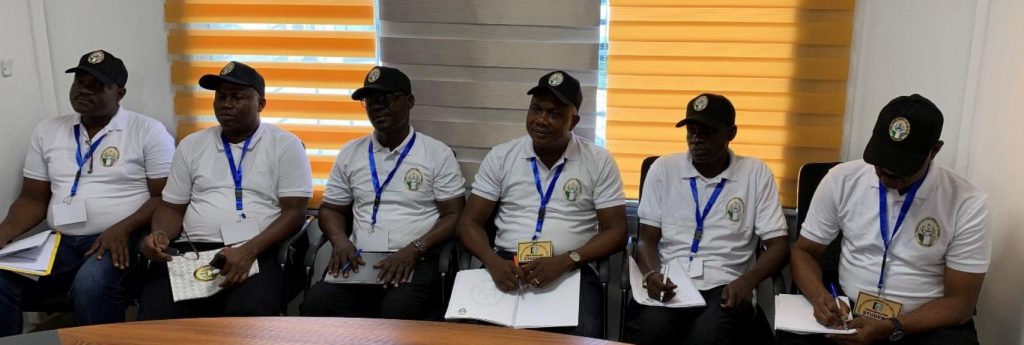
The impregnation visit of this delegation of the newly promoted Nigerian Customs Officers of NCS is part of the internal training of NCS agents on Customs best practices and on the facilitation of customs operations developed in WCO member countries such as Cameroon.
According to BA ADEYINI, the objective of this mission in Douala was to draw inspiration from Cameroon in the implementation, management and operation of portal scanners, including the selectivity of high-risk containers and above all the entire organization of the Customs administration.
The Nigerian customs delegation visits the scanners of the Port Authority of Douala.
Mr. Divine TANTOH, Inspector Principal of Customs, who represented the Director General of the Cameroonian Customs and the Chief of the Customs Littoral 1 sector, during this visit, indicated that the Minister of Finance validated this visit of 15 officials of the Nigerian Customs Services so that they can draw on the experience of the Cameroon Customs in this area.
He further stated that the Director General of the Cameroon Customs has specifically requested that all stakeholders concern to kindly provide the delegation, in accordance with the established timetable, a framework that would enable them to acquire added value in the performance of their duties and enhance the brand image of the Cameroon Customs administration as the first country in 100% Scanning operations implementation.
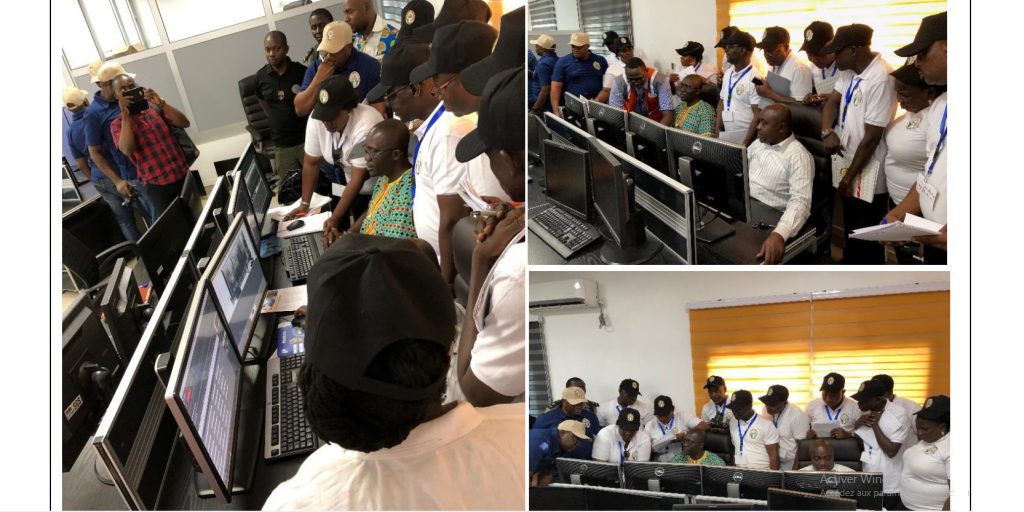
The Nigerian customs delegation is closely following the explanations on the SGS D-TECT technology deployed at the Port Authority of Douala.
Cameroon, first African country to deploy 100% Scanning
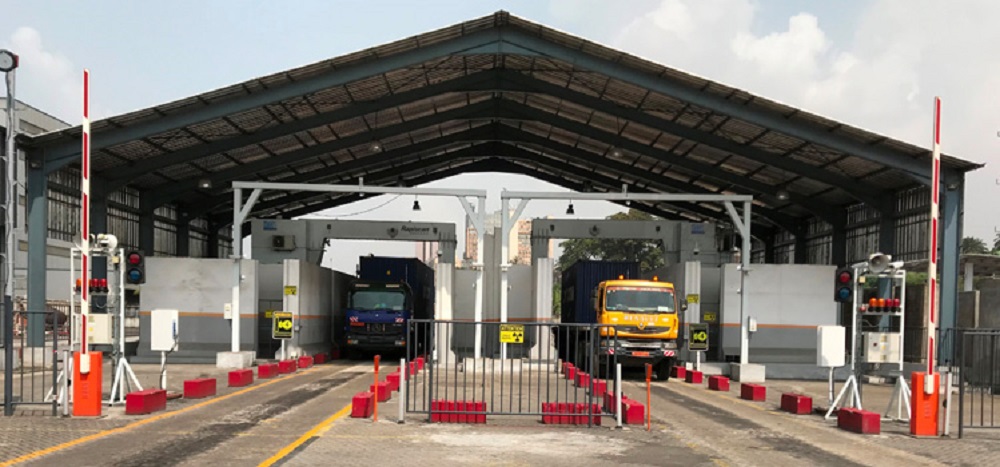
With the partnership of SGS, Cameroon has been since 06 December 2016 the first African country to implement 100% Scanning technology for its port operations, using high-speed scanning equipment for all imports, exports and transits at the Douala International Terminal (DIT). This makes DIT/PAD the first non-automated African port to deploy 100% Scanning, scanning 100% of containers.
Through this system, SGS has worked to redesign the digitization process of the customs services in order to integrate it correctly into the operations of the terminal. The 100% Scanning technology implemented allows the integration of image analysis by the inspectors, front-line customs with documentary verification of the declaration and supporting documents, data sharing through a single platform (SGS D-TECT) that provides real-time images to customs services.
The Nigerian customs delegation is closely following the explanations on the technologies deployed at the Port Authority of Douala.
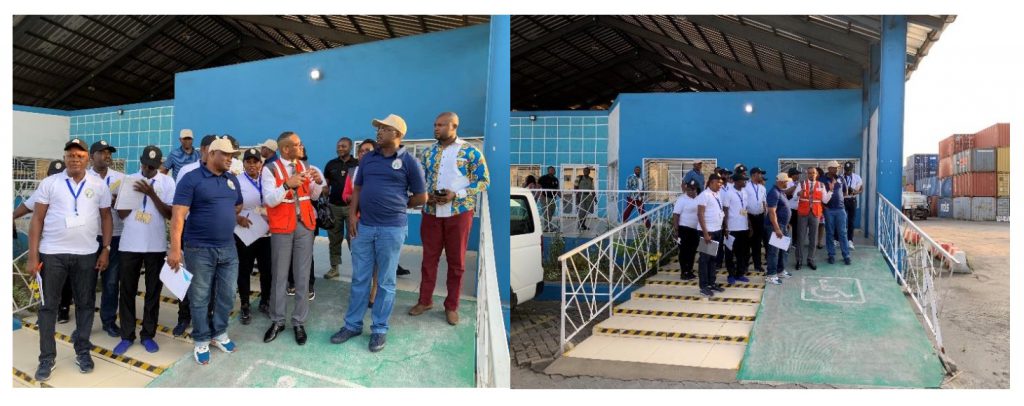
The Nigerian delegation therefore visited PAPMOD Scanner sites (Customs Modernization Support Program). After the visit of these facilities, the presentation of the processes of the scanners and the presentation of the key role of SGS, customs technical partner of Cameroon, a brief meeting was organized to answer the various questions of the delegation. Eugene ABLORH, Cameroon’s Scanner Manager, has responded to the various questions and concerns of experts from Nigeria with some key facts :
100% scanning on imports and exports
200,000 scanned containers per year
50,000 containers handled each quarter
More than 16,500 to 17,000 containers in one month for combined imports and exports
Advanced technology with a capacity of 150 containers per hour by scanner
Capacity of the three scanners: 450 containers scanned per hour
Significant reduction of physical controls of containers thanks to the SGS D-TECT system that renders the X-ray image in real time to Cameroon Customs
The Nigerian customs delegation is closely following the explanations on the technologies deployed at the Port Authority of Douala.
At the end of this visit, impressed, A. ADEYINI said he was “very satisfied with the explanations given to them about 100% Scanning”. He also indicated that they support the implementation of these technologies in Nigeria. In particular, he indicated that they will draw a complete report to the Nigerian authorities on the Cameroonian experience in the implementation of this 100% Scanning technology associated with the SGS D-TECT system successfully implemented by SGS.
[Digital Business Africa] – The World Radiocommunication Conference 2019 (WRC-19) will open in Sharm el-Sheikh, Egypt, from 28 October to 22 November 2019. Preceding WRC-19, the Radiocommunication Assembly 2019 (RA-19) will be held in the same venue from 21 to 25 October 2019.
The outcomes of the international treaty-making conference (WRC-19) and the RA-19 will have a global impact in the field of communications. Wireless, and especially space-based, connectivity is helping make smart societies a reality across all 17 Sustainable Development Goals (including intelligent transport systems, e-government, tele-education, e-health, e-logistics, smart energy, smart agriculture), in both developed and developing countries, and particularly in rural and remote areas. WRC-19 will facilitate the management of scarce orbit/spectrum resources in the interest of end-users, with global implications for both policy-makers and the industry.
WRC-19 will focus on:
Reviewing and revising the international regulatory framework for radiocommunications – the Radio Regulations – to reflect the increasing convergence in radio services arising from the rapid evolution of information and communication technologies ( ICT).
The management of scarce radio-frequency spectrum to provide new
opportunities for radiocommunication services, including those for maritime and
aeronautical transport, as well as for scientific purposes related to the
environment, meteorology and climatology, disaster prediction, mitigation and
relief.
The management of satellite orbital slots and associated spectrum resources (Earth stations in motion – ESIM, Non-geostationary fixed-satellite service (FSS) systems and small satellites).
IMT-2020 and beyond (in marketing terms called 5G – Fifth Generation of
Mobile Technologies), High Altitude Platform Systems (HAPS), mobile broadband
and other advanced technologies.
WHEN: RA-19 from 21 to 25 October and WRC-19 from 28 October to 22 November 2019
WHERE: Sharm el-Sheikh International Congress Centre (SHICC), Egypt
WHY: The World Radiocommunication Conference, held every three to four years, is
mandated to review and revise the Radio Regulations, the international treaty
governing the use of radio-frequency spectrum and satellite orbits. WRC-19 will
facilitate the management of scarce orbit/spectrum resources in the interest of
end-users, with global implications for both policy-makers and the industry.
Radiocommunication Assemblies (RA) are responsible for the structure, programme and approval of radiocommunication studies and standards. They normally convene every three or four years and are associated in time and place with World Radiocommunication Conferences (WRCs).
WHO: A combined 3,500+ participants are expected to attend WRC-19 and RA-19,
including delegates from the 193 ITU Member States as well as 267 members of
the ITU Radiocommunication Sector (ITU-R) representing international
organizations, equipment manufacturers, network operators and industry forums,
who attend as observers…
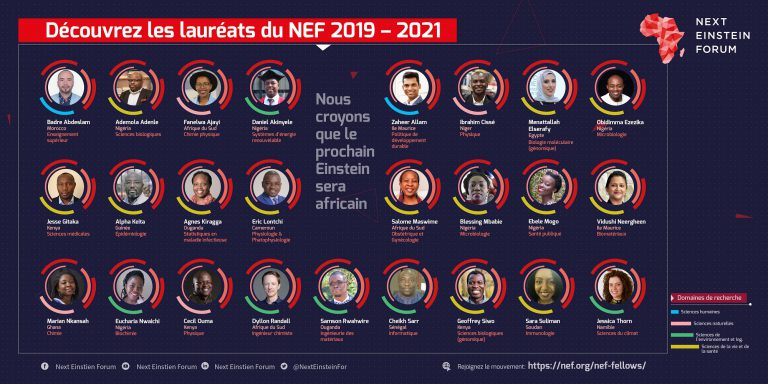
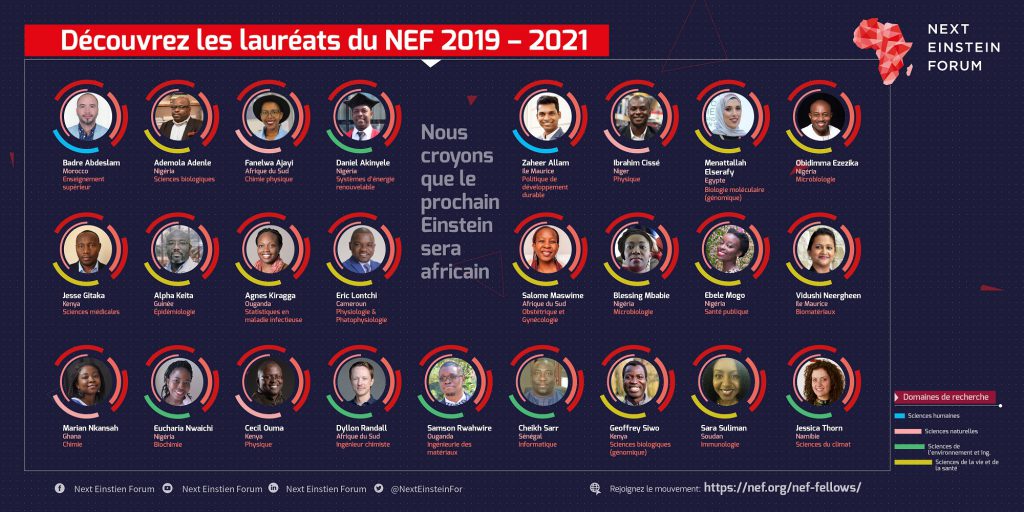
[Digital Business Africa] – Le Next Einstein Forum (NEF) a publié ce 05 août 2019 à Kigali au Rwanda les lauréats de sa troisième promotion des 25 scientifiques africains d’envergure. Tous sont âgés de moins de 42 ans. Leurs recherches et innovations contribuent à relever les défis les plus urgents pour l’Afrique et le monde.
« Je suis ravi de présenter la 3ième promotion des lauréats NEF pour deux raisons : la première est le fait que nous avons presque atteint la parité, avec 11 femmes au sein de la promotion. La seconde raison est la variété des domaines et des pays d’où sont issus les lauréats. Les lauréats sélectionnés font de la recherche de pointe dans le secteur de l’énergie renouvelable, de la nanomatériau et de la nanotechnologie, de la sécurité alimentaire, de la médecine de précision, des systèmes de santé, de la science du climat et de l’urbanisme. Le fait que deux scientifiques sociaux aient été sélectionnés pour cette promotion constitue également une première pour le groupe des lauréats. Nous sommes convaincus que leurs découvertes actuelles et futures résoudront les enjeux mondiaux et nous sommes ravis de vous les présenter », a déclaré Thierry Zomahoun, fondateur , président du Next Einstein Forum et président-directeur général de l’Institut panafricain des sciences mathématiques (AIMS).
Initiative de l’Institut panafricain des sciences mathématiques (AIMS), le NEF récompensera les lauréats lors de sa rencontre Internationale 2020 à Nairobi, au Kenya, le 10 mars 2020, sous le patronage du président Uhuru Kenyatta. Les lauréats NEF perpétueront la tradition qui consiste à présenter leurs recherches innovantes lors de cette rencontre.
NEF Fellows are selected by an International Scientific Program Committee, using a rigorous process that comprises academic and scientific merit, a strong publication record, patents, awards and a track record of funds independently raised for research. Fellows are also required to demonstrate the relevance of their research or innovations to humanity’s grand challenges, as well as a passion for raising Africa’s scientific profile and inspiring the next generation of scientific leaders.
“We are tremendously pleased to welcome the new class to the growing NEF Community of Scientists, and the thirty-five Fellows that preceded this cohort. This Class was selected in record timing because of the quality of their profiles and we look forward to their contributions to our foresight work and public engagement programs like Africa Science Week,” said Dr. Youssef Travaly, Vice President of Science, Innovation and Partnerships.
Entre autre innovations, la seconde promotion a été à l’avant-garde des recherches innovantes en matière de blockchain pour les microcrédits, de bioinformatique pour l’amélioration de la production agricole et de détection non-invasive de la malaria. Plusieurs lauréats ont été récompensés par un million de dollars pour leurs recherches. Les lauréats du NEF ont dirigé la publication du journal scientifique africain du NEF qui en est à son quatrième numéro depuis mars 2018. En reconnaissance de leurs travaux et de leur excellence scientifique, trois lauréats ont rejoint le comité de programme scientifique international du NEF.
Next Einstein Forum Laureates Web
Meet the 2019-2021 NEF Fellows
Dr. Badre Abdselam (Morocco) seeks to contribute in the design and implementation of regional policies on young scientists’ intentional mobility within Africa to optimize brain circulation.
Dr. Ademola Adenle (Nigeria) is leading research in science and technology policy in addressing sustainable development challenges such as climate change, food insecurity, energy and health innovation in Africa.
Dr. Fanelwa Ajayi (South Africa) seeks to develop various nanoparticles particularly with the use of edible substances, such as fruits and vegetables, and finding additional applications for them.
Dr. Daniel Akinyele (Nigeria) is immersed in unveiling deeper insights into planning, developing and managing new electrification systems for energy-poor communities using the social-technical-economic-environmental-policy, or STEEP.
Dr. Zaheer Allam (Mauritius) investigates the dynamics shaping urban life in the Anthropocene to better build policies enhancing both livability and economic levels in future cities, set to host the majority of humans on earth.
Dr. Ibrahim Cissé (Niger) is interested in developing high resolution methods of microscopy that go directly inside living cells, and single bio-molecules which could decode human genome from DNA into RNA.
Dr. Menattallah Elserafy (Egypt) studies DNA repair mechanisms, working to understand cellular processes which deciphered will change diagnostics and pave roads for personalized therapies.
Dr. Obidimma Ezezika (Nigeria) is studying processes that help contribute to developing new industrial models for effectively taking health interventions to scale in sub-Saharan Africa.
Dr. Jesse Gitaka (Kenya) works on malaria elimination, prompt diagnosis and management of sub-clinical maternal bacterial infections that eliminate still births, prematurity, maternal and newborn sepsis and mortality.
Dr. Alpha Keita (Guinea) hopes to develop, together with his team in the Guinea and France, the reservoirs of viruses to better understand the natural history of Ebola virus spread.
Dr. Agnes Kiragga (Uganda) hopes to merge data science and machine learning methods to available “large data” and existing health records to predict and prevent HIV among high-risk groups in Africa.
Dr. Eric Lontchi (Cameroon) investigates ways of combating the burgeoning epidemic of obesity and diabetes, hoping to uncover new insights into the pathogenesis of, and potential treatments for diabetes.
Dr. Salome Maswime (South Africa) leads a research initiative to scale up the implementation of the perinatal problem identification program model to four other healthcare systems in Africa.
Dr. Blesssing Mbabie (Nigeria) seeks to cover the real-time status of antimicrobial resistance and social factors that drive it, discovering natural drugs with high potential inhibitors of antimicrobial resistance mechanism.
Dr. Ebele Mogo (Nigeria) is involved in research that aims to transform societal systems that recognizes African contextual realities when designing healthy communities and preventing non-communicable diseases.
Dr. Vidushi Neergheen-Bhujun (Mauritius) is determined to connect the dots between the role of functional food and cancer prevention.
Dr. Marian Nkansah (Ghana) focuses on developing public knowledge on toxic chemicals from unusual places, and the associated risk on local communities, strengthening the intersection of scientific evidence and policy.
Dr. Eucharia Nwaichi (Nigeria) leads research projects that aim to find sustainable and safe sanitation strategies for the remediation of petroleum-impacted environments in the Niger Delta.
Dr. Cecil Ouma (Kenya) leverages current research on energy materials and associated technologies, with hope to innovate cheap and small-scale off-grid technologies for rural and peri-urban settlements in Africa.
Dr. Dyllon Randall (South Africa) hopes to change our modern sanitation systems to focus on resource recovery rather than mere treatment, moving communities to rethink “waste” as valuable resources.
Dr. Samson Rwahwire (Uganda) is using his knowledge of material science and nanotechnology to modify bitumen for road construction utilizing green nanoscience as a crosslinker for plastic waste.
Dr. Cheikh Sarr (Senegal) is interested in developing a prototype of a self-driven vehicle, equipped by a lot of sensors networks in order to facilitate the mobility of people with disabilities.
Dr. Geoffrey Siwo (Kenya) hopes to combine artificial intelligence with genetic data and scientific knowledge as a means of accelerating the discovery of fundamental principles that could enable equitable development of precision medicine.
Dr. Sara Suliman (Sudan), co-inventor of a four-gene biomarker, investigates why genes involved in electrolyte regulation across mammalian cell membranes might confer susceptibility to the world’s deadliest pathogen: Mycobacterium tuberculosis.
Dr. Jessica Thorn (Namibia) uses social-ecological system modelling and participatory scenario planning to investigate and measure the impact of development corridors in land use, livelihoods, ecosystem, and social coherence.
À propos du Next Einstein Forum
Lancé en 2013 par l’Institut panafricain des sciences mathématiques (AIMS), le
travail du Next Einstein Forum (NEF) est façonné par sa conviction que le
prochain Einstein sera Africain. Son challenge, faire de l’Afrique une
plateforme scientifique et technologique mondiale. Le NEF relie la science, la
société et les politiques africaines au reste du monde – avec l’objectif
d’utiliser la science pour le développement humain à l’échelle mondiale. Le NEF
a organisé des rencontres internationales, bi-annuelles, la conférence des sciences et de l’innovation la
plus importante d’Afrique.
The NEF organized biennial global gatherings, Africa’s largest science and innovation conference. Far from an ordinary science forum, the NEF Global Gatherings position science at the centre of global development efforts. In the presence of political and industry leaders, and with a strong focus on youth and women, the voices of global science leaders’ have the opportunity to be heard and to have major impact on Africa’s scientific future. The NEF Global Gathering 2020 will be held on 10-13 March 2020 in Nairobi, Kenya.
In addition, the NEF organizes an Africa Science Week in over 30 countries each year. This year’s edition will be held in 40 countries in October 2019. To make science relevant for everyone, the NEF publishes a public magazine Scientific African Magazine.
[Digital Business Africa] – Depuis le 25 juillet 2019, Cyrille Lavoisier Kemayou est le directeur général d’IHS Towers Rwanda, l’un des plus importants fournisseurs d’infrastructures de télécommunications mobiles en Afrique, en Europe et au Moyen-Orient. Il prend ainsi la direction de IHS Rwanda Ltd, qui a débuté ses activités en décembre 2013, et qui détient et exploite la majorité des tours de télécommunication dans le pays. Sa mission sera donc d’impulser une nouvelle dynamique dans le développement de cette filiale du groupe dans ce pays d’Afrique de l’Est.
Avant sa nomination, Cyrille Lavoisier Kemayou était directeur commercial et des services corporate chez IHS Towers Cameroon depuis décembre 2012. Le spécialiste des ventes, du marketing et de la communication d’entreprise est titulaire d’une maîtrise en Publicité et Relations publiques de l’Ecole supérieur des Sciences et Techniques de l’information et de la Communication de Yaoundé (Esstic).
Cyrille Lavoisier Kemayou new Managing Director of IHS Towers Rwanda
A rich experience
Durant six ans, il a été en charge de la responsabilité sociétale de MTN Cameroon. Il compte également à son CV plusieurs postes de direction. Parmi ceux-ci, directeur général adjoint chez UNIPAL Central & West Africa (P & G Affiliated Distributor) durant deux ans (de janvier 2011 à décembre 2012). Tout comme de 2008 à 2010 il a été Directeur à Palmares Sport, une boîte chargée de la définition et de l’opérationnalisation des stratégies de parrainage et de marketing de la Fédération camerounaise de football (FECAFOOT).
En 2016, il a également suivi un programme pour cadres supérieurs à la Harvard Business School, aux États-Unis. Une expérience qu’il est désormais appelé à mettre au service d’IHS Towers Rwanda.
Selon Freddy Tchalla, CEO de MTN Côte d’Ivoire, Cyrille Lavoisier Kemayou est un professionnel bien organisé pour livrer des projets dans des normes élevées. Joël Ndjodo, ancien collègue à MTN Cameroon dit de ce brave Camerounais qu’il est « un professionnel devoué, rigoureux avec beaucoup d’empathie et surtout doté d’une culture éprouvée du résultat et de la performance. Son leadership et son sens du planning ont toujours été mis au service de la compagnie ».
[Digital Business Africa] – Au Nigéria, la filiale locale du groupe de télécommunications Sud-africain MTN est à nouveau en conflit avec les autorités. Ceci, en lien avec l’affaire de la non désactivation des cartes SIM non enregistrées qui avait valu à l’opérateur une amende de 1,1 milliards de dollars. Dans une communication qui date du 2 août 2019, MTN Nigéria a fait savoir qu’il a demandé un contrôle judiciaire après que l’administration fiscale nigériane a désapprouvé le traitement comptable par l’entreprise de l’amende en tant que coût d’exploitation. « Nous pensons que l’amende devrait être traitée comme une partie des coûts d’exploitation de l’entreprise, mais l’autorité fiscale nigériane, la Federal Inland Revenue Service (FIRS) pense le contraire. Nous avons tout payé à la FIRS, puis nous sommes allés devant le tribunal », explique le porte-parole de MTN dans un communiqué.
De manière concrète, MTN demande à la justice fiscale nigériane de décider si elle doit payer au gouvernement une taxe sur les sociétés pour une amende de 1,1 milliard de dollars. Ou si à la place, elle est autorisée à traiter cette amende comme étant un coût d’exploitation. S’il arrivait que la Justice nigériane donne raison à MTN, cela créerait un précédent en ce qui concerne la manière dont les sanctions sont traitées par les sociétés enregistrées au Nigéria.
This new case adds to the long list of conflicts between MTN Nigeria and the Nigerian authorities. Already in October 2015, the operator was fined $5.2 billion for failing to deactivate unidentified telephone lines in a timely manner. Finally, the fine was reduced to $1.1 billion after multiple negotiations, including at the top of the state.
Then, in August 2018, MTN Nigeria was summoned by the Central Bank of Nigeria to repatriate $8.13 billion to Nigeria. Funds considered to have been illegally taken out of the country, with the complicity of local banks. To get out of this other case, MTN had to pay a fine of $51.7 million. Even today, MTN is still accused by the Nigerian authorities of non-payment of taxes on the import of equipment and on its payments to foreign suppliers. In this case, the Nigerian authorities are claiming $2 billion.




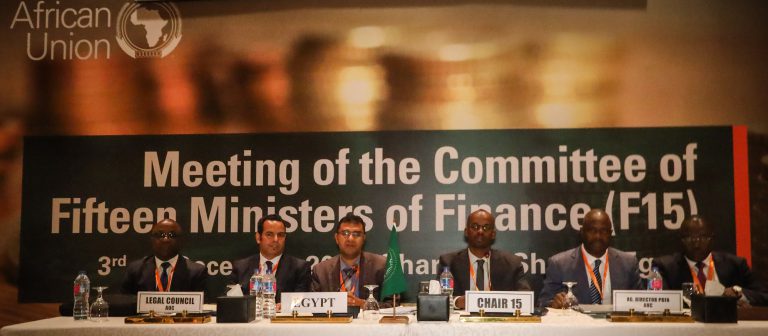

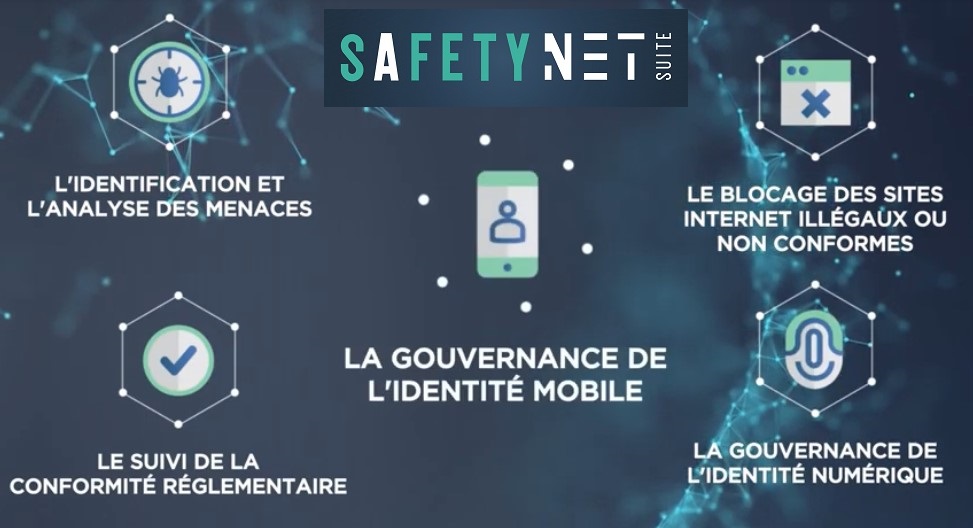
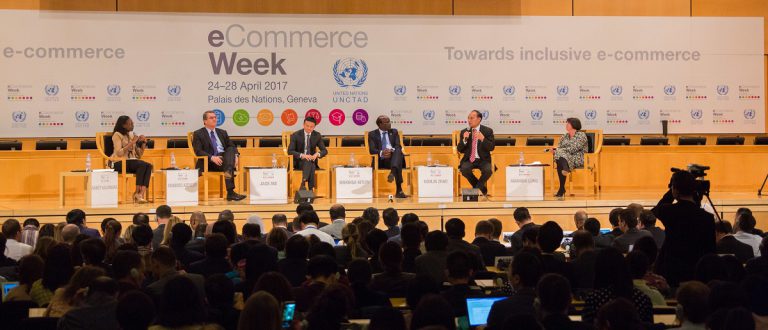
![Rwanda: James Claude [GVG] To Speak About Financial Inclusion At Fintex Africa 2020 In Kigali](https://www.digitalbusiness.africa/wp-content/uploads/2020/01/James-Claude-GVG-ok-768x401.jpg "Rwanda: James Claude [GVG] To Speak About Financial Inclusion At Fintex Africa 2020 In Kigali")