Home Blog Page 4

Armand Gaétan NGUETI [UBTS]: “We have built a framework that protects the Wi-Fi network” [Video]

[ICT Media STRATEGIES] – The Cameroonian government and the Commonwealth Telecommunications Organization (CTO) have organized the DIGITAL WEEK CAMEROON 2023. The event took place in Yaoundé from October 16 to 20, 2023. The event aims to bring together members from across the Commonwealth and stakeholders in the ICT and Energy industries.

Several panelists presented solutions for a Digital Cameroon, including Armand Gaétan NGUETI, CEO of UBTS International Corp. who proposed a secure Wi-Fi network solution.

During session 3 on October 17th, he presented « Leveraging Technology to overcome challenges in cyberspace for young entrepreneurs. »

The session aimed to sensitize youth towards opportunities and responsible use of digital tech, while highlighting cybercrime risks and dangers.

The session was moderated by Mr. Armand Claude ABANDA from IAI Cameroon.

Watch the video and listen to Armand Gaétan NGUETI’s explanation of his solution.

The event was streamed live on Digital Business Africa’s Facebook page. Visit the page to watch the entire session and presentations: https://web.facebook.com/DigitalBusinessAFRIC/videos

Live by ICT Media STRATEGIES. For live event media coverage on Facebook, Twitter, YouTube, and Zoom, contact ICT Media Strategies at Tel: +237 674 74 01 68 or email: [email protected]

By ICT Media STRATEGIES

Cette vidéo est un contenu de la chaîne YouTube du cabinet de veille stratégique, d’e-Réputation et de Personal branding ICT Media STRATEGIES

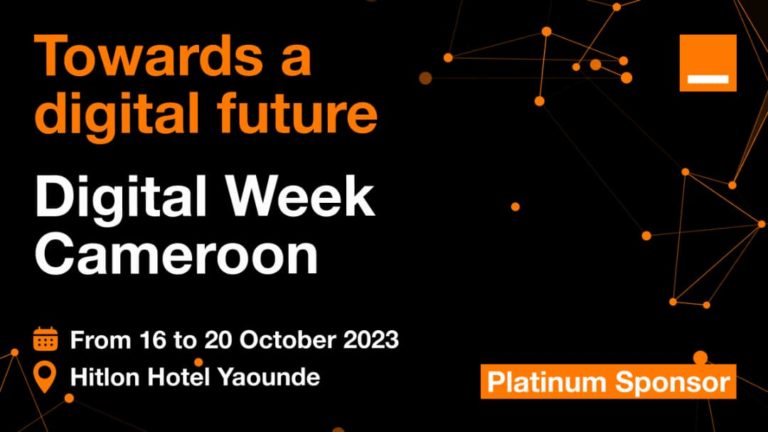
ORANGE CAMEROON PLATINUM SPONSOR OF THE DIGITAL WEEK

From 16 to 20 October 2023, the Commonwealth Telecommunications Organisation (CTO) and the Government of Cameroon are organising the “DIGITAL WEEK CAMEROON” under the distinguished patronage of the President of the Republic, His Excellency Paul BIYA. The theme of this year’s event is “TOWARDS A DIGITAL FUTURE”.

A host of telecommunications and digital experts will be present at this major digital forum. As a brand driven by constant innovation and digital transformation, Orange Cameroon brought out its best for this event.

Orange Cameroon is the platinum sponsor of Digital Week Cameroon and will mark its presence by discussing various themes with the participation of shrewd experts namely:

Patrick Benon, CEO, Orange Cameroon,

➖️ Sylvia Nfonba, Director, Orange Business,

➖ Elizabeth Ehabe, Secretary General of the Orange Cameroon Foundation,

➖ Emmanuel Etia, Director, Orange Digital Center,

➖ Ludovic Lançon, Chief Technical and Information Manager

The Orange Cameroon stand will be a platform for some of the startups supported by Orange Digital Center. As winners of several national and international prizes for innovation and digitalization, these Cameroonian geniuses will be able to showcase their projects.

Stay connected to Orange Cameroon’s social media platforms to be updated on all the latest development regarding this event which promises to be an enriching experience.

Source : Orange

GIMACPAY processed 7.5 million transactions totaling 377 billion CFA Francs between January and August 2023

[DIGITAL Business Africa] – During a recent memorandum of understanding signing event held at GIMAC’s new premises in Bastos, Yaoundé, AfricaNenda and GIMAC revealed noteworthy achievements for the company’s GIMACPAY solution.

The eight-month period from January to August 2023 saw GIMAC process 7.5 million transactions worth a cumulative amount of 377 billion CFA Francs without any significant incidents.

This positive performance was largely attributed to the transfer and remittance service, which experienced a 150% increase in volume and cumulative transaction amount.

Furthermore, GIMAC has announced plans to deploy 16 new interoperable mobile services by October 2023. Since its establishment in 2015, the Group has processed more than 33 million transactions worth a cumulative amount of 1,400 billion CFA Francs.

GIMAC, an Economic interest group (GIE) with the Bank of Central African States (BEAC) as its main shareholder (99.2%), facilitates the implementation of the Central African Economic and Monetary Community’s Interbank Electronic Payment System (SMI) through its GIMACPAY ecosystem.

This ecosystem provides its 93 participants with interoperable card, mobile, and transfer payment services, connecting over 35 million active wallets in CEMAC.

Valentin MBOZO'O welcomes the AfricaNenda team to the new GIMAG offices in Bastos, Yaoundé. September 19, 2023.
Valentin MBOZO’O welcomes the AfricaNenda team to the new GIMAG offices in Bastos, Yaoundé. September 19, 2023.

GIMAC also announces the deployment of 16 new interoperable mobile services by next month (October 2023).

The Group ensures the promotion, provision, supervision and regulation of comprehensive interoperability electronic banking services across the CEMAC, through the convergent GIMACPAY ecosystem.

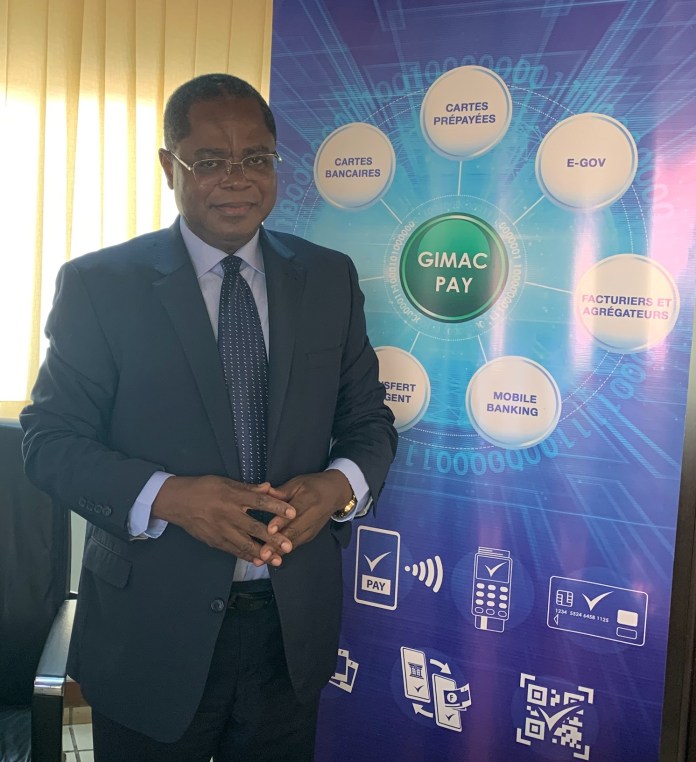
Valentin Mbozo'o DG GIMAC Pay

By Digital Business Africa

AfricaNenda and GIMAC are collaborating to accelerate digital finance deployment in Central Africa

[DIGITAL Business Africa] – AfricaNenda and GIMAC are presently partners. AfricaNenda, is an organization specializing in financial inclusion in Africa and GIMAC (Groupement Interbancaire Monétique de l’Afrique Centrale) is the Economic Interest Group facilitating financial inclusion through the supervision and implementation of interoperability in CEMAC.

On September 19, 2023, two organizations signed a Memorandum of Understanding in Yaoundé, specifically in the new premises situated in Bastos. The location is opposite the ACEP Bastos microfinance and is not far from the Chinese embassy. This collaboration marks the beginning of a hopeful partnership for the advancement of digital finance in Africa.

The Memorandum of Understanding between AfricaNenda and GIMAC aims to facilitate collaboration in areas related to digital payments, transfers, interoperability, and financial inclusion.

These diversified areas of intervention are structured around three key activities:

– Improving the use case for merchant payments to drive economic growth and digital financial inclusion;
– Conducting an assessment to measure the impact of interoperability in the region, a critical factor in streamlining digital payments;
– And finally, the integration of QR codes into the merchant network to improve the ease and security of transactions.

AfricaNenda and GImac argue that these activities are crucial for the economic development of the region and for the transformation of the African financial landscape.

Through this agreementAfricaNenda is committed to providing leading technical expertise, as well as capacity building, to support joint efforts to drive innovation in digital payments in Africa.

AfricaNenda‘s technical expertise combined with GIMAC‘s reputation in the digital payments sector will, according to both organizationshave a significant impact on the development of digital payments in the region.

According to Akinwale Goodluck, Deputy Managing Director of AfricaNendathis is the organization‘s first project in the region. “We expect tremendous results that can help increase financial inclusion in this same region, where nearly 20 million people are still excluded from financial services. AfricaNenda is committed to making a significant impact in this regard and our partnership with GIMAC is an important step in the right direction,” says Akinwale Goodluck.

Valentin Mbozo’o, the General Director of GIMAC, believes that this partnership will enable the group to expand its reach in CEMAC by providing digital financial services to underprivileged social groups. To achieve this, GIMAC plans to enhance the quality and monitoring of its interoperable mobile services within the GIMACPAY ecosystem.

Services which today, thanks to USSD technologies among others, have a higher penetration rate, thus increasing financial inclusion in CEMAC. This is the opportunity to once again materialize the instructions of the Governor of the BEAC relating to the promotion of Digital Financial Services in CEMAC”, declared the GM of GIMAC.

AfricaNenda

AfricaNenda is a team of African experts that aims to promote financial inclusion by implementing instant payment systems through digital financial services. Its approach is to provide public and private sector players with technical expertise and the capacity to remove barriers to digital payments. They aim to enable all Africans to carry out digital financial transactions transparently and at a low cost, wherever they are on the continent by 2030.

GIMAC

The Interbank Electronic Payment Group of Central Africa is an economic interest Group with capital increased to 99.2% by the Bank of Central African States (BEAC). The main mission of GIMAC is to implement the Interbank Electronic Payment System (SMI) of the Central African Economic and Monetary Community (CEMAC).

The Group diligently works towards promoting, providing, supervising, and regulating the seamless integration of electronic payment services throughout the CEMAC region, via the convergent ecosystem of GIMACPAY. This platform offers a comprehensive suite of interoperable payment services, including card, mobile, and transfer options, to its 93 Participants, which comprise Central Banks, credit institutions, national public treasuries, microfinance establishments, payment institutions, mobile money operators, and aggregators.

GIMACPAY is a quick and inclusive platform that connects over 35 million active wallets in CEMAC. It enables holders of GIMAC or international bank cards to enjoy card and mobile services through the ticket of its participants.

From January to August 2023, we learned from GIMAC, that GIMACPAY processed 7.5 million transactions without major incidents for a cumulative amount of 377 billion  CFA francs.

The convergent ecosystem has allowed GIMAC to process over 33 million transactions worth 1,400 billion CFA francs since 2015.

By Digital Business Africa

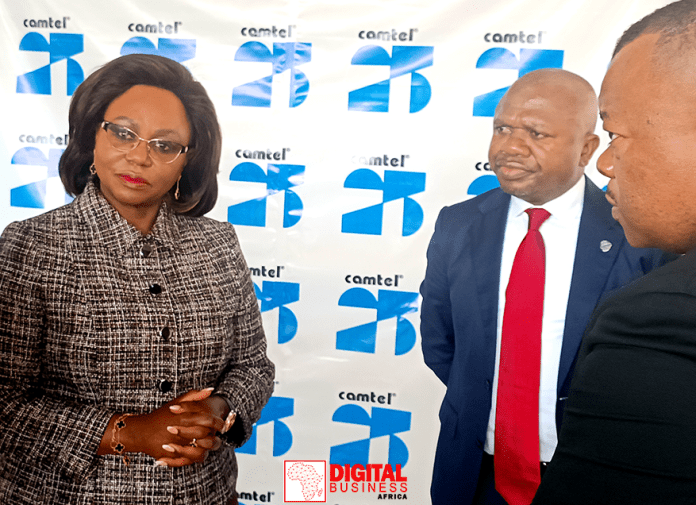
Carlos Esono MIKO NSING and his team from GETESA cooperated with Judith Yah Sunday’s team to prospect at Camtel

[DIGITAL Business Africa] – A delegation from GETESA, Equatorial Guinea’s historic telecom operator, led by General Director Carlos Esono Miko Nsing, visited Cameroon Telecommunications (CAMTEL) on September 19, 2023.

During the discussions, GETESA and Camtel explored potential collaboration in technical areas, such as international fiber optic exits, mobile money, roaming, and the capabilities of the Camtel data centre. GETESA is seeking to deepen their relationship with Camtel and identified these areas as of great interest.

As national telecom companies operating in the CEMAC economic zone, we share many similarities with Camtel. Collaboration between neighbouring companies is always beneficial, and we have worked on various topics such as roaming, data center, mobile money, and many others through our respective teams. », told Digital Business Africa the CEO of GETESA, Carlos Esono MIKO NSING, at the end of this working visit. Equatorial Guinea needs multiple submarine cable outlets for redundancy in case of cable or landing point issues.

Cooperation: Carlos Esono MIKO NSING of GETESA and his team prospecting at Camtel of Judith Yah Sunday

The CEO of Camtel, Judith Yah Sunday, views this meeting as a continuation of the commitments made by Cameroon and Equatorial Guinea’s Heads of State, Paul BIYA and Théodoro OBIANG NGUEMA MBAZOGO, and aims to consolidate relations between two friendly and brotherly countries that share the same community space in the telecoms sector.

Cooperation: Carlos Esono MIKO NSING of GETESA and his team prospecting at Camtel of Judith Yah Sunday
Tuesday, September 19, 2023. Carlos Esono MIKO NSING, CEO of GETESA and Judith Yah Sunday Epse ACHIDI, CEO of CAMTEL

Our two countries have made significant investment efforts for the development of the telecommunications sector, in particular, the laying of the NCSCS submarine cable, which connects Kribi to Lagos, and reaches Europe via MainOne; cable in which Equatorial Guinea is associated through 02 “branching units” to connect Bata and Malabo via the CEIBA2 cable. The Transatlantic SAIL cable linking Kribi to Fortaleza also has a “Branching Unit” on standby, which can be used to serve 2 other countries that request it “, explained Judith Yah Sunday Epse ACHIDI.

By Digital Business Africa

NEMA Issues a 60-Day Extended Producer Responsibility (EPR) Compliance Notice to All Producers 

30th August 2023, Nairobi: The National Environment Management Agency (NEMA) has announced a 60-day notice to all producers in Kenya to comply with the Extended Producer Responsibility (EPR) Regulations. In a public notice dated 30th August 2023, NEMA noted that the Sustainable Waste Management Act became effective on 22nd July 2022. Section 13 of the Act requires every producer to bear mandatory extended producer obligations to reduce pollution and environmental impacts of the products they introduce into the Kenyan market and waste arising therefrom.

“Producers are expected to submit their EPR plan to the Authority within TWO (2) months after publication of this notice to enable commencement of inspection and enforcement action to weed out joyriders,” emphasized NEMA, adding that “The Authority has commenced inspection and enforcement on compliance to this Act.”  

EPR is a policy approach based on the Polluter-Pays Principle which requires that all producers bear mandatory responsibility for the post-consumer stage in their products’ lifecycle, prioritizing re-use, increasing recycling rates for technical material, and safe disposal in a temporary, controlled landfill. The Act defines a producer as an entity that introduces goods, products and packaging into the country using authorized means by manufacturing, importing, converting, filling, refilling, repackaging or rebranding. 

“Allow me also to clarify that the EPR is a two-edged sword and Kenya has set in motion a process whereby all producers have been given an opportunity to demonstrate that they trade in products that do not degrade the environment. In the unlikely event that the product continues to cause pollution, this will trigger the need for NEMA and the producers to engage in a discussion with an intention to ban that product or packaging. Therefore, EPR requires you to rethink about the products you introduce into the Kenyan market to ensure they are safe,” said NEMA Director General Dr Mamo B. Mamo in a recent meeting with producers on EPR implementation. 

According to the Sustainable Waste Management Policy 2021, every Kenyan generates about 0.5 kgs of waste every day amounting to 25,000 tonnes per day for a population of 50 million Kenyans. This waste by composition is 60% organic, 30% recyclables and 10% others.

“This proactive measure seeks to minimize the environmental footprint of products from inception to disposal. By holding producers accountable for their products’ end-of-life management, the EPR aims to foster innovation in eco-friendly design, recycling, and waste management. Therefore, this notice underscores our commitment to promoting responsible production, reducing environmental impact, and ensuring a cleaner and greener future for future generations,” says Ebenezer Amadi, Program Manager at Sustainable Inclusive Business, under the Kenya Private Sector Alliance (KEPSA).

Producers may submit their EPR plans individually or collectively in a compliance scheme under a Producer Responsibility Organization (PRO), indicating the following: 

1. The list of products introduced into the Kenyan market. 

2. If you are a member of a collective scheme, provide evidence of membership. 

3. Estimated annual volume/quantity of product(s) introduced into the market. 

4. Mechanisms put in place for identification and tracking of your product(s). 

5. List and location of your drop off or collection points per county (see criteria below for establishing a collection point). You can also use existing transfer stations licensed by NEMA. 

6. Evidence of payment of recovered materials collection service for each product 

7. Planned awareness strategy and activities 

8. Workplan per county and budget for fulfilling EPR obligations 

9. Contracts with NEMA licensed waste transporters to move recovered products from collection points 

10. Collection schedule from collection points 

11. Contracts with waste processing facilities such as recyclers, incinerators, landfills. 

12. EIA or Summary Project Report (SPR) approvals as advised from the County NEMA office.

Nkwa Tech, the innovatory application that enables youths be financially responsible

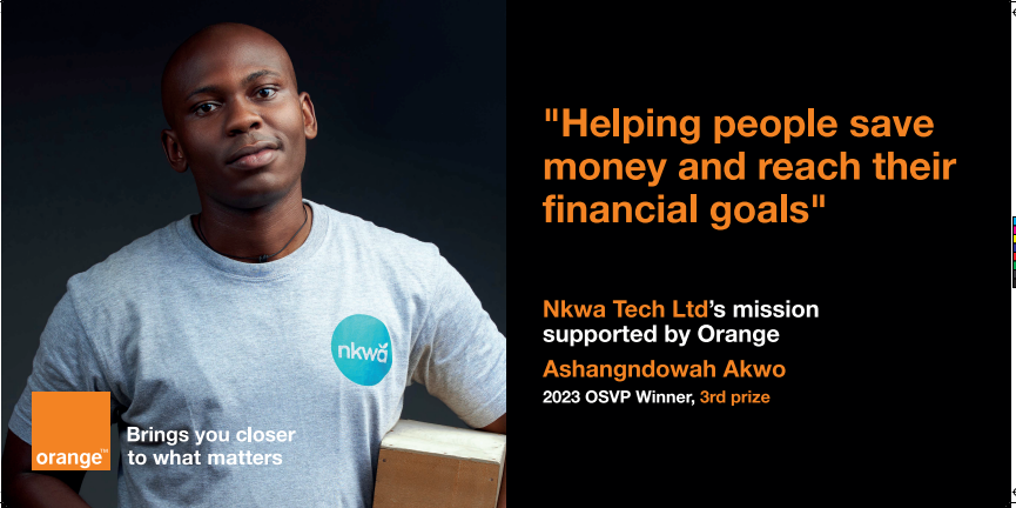
[Digital Business Africa] – ASHANGNDOWAH Akwo, passionate about innovation, is the co-founder of Nkwa Tech Ltd a mobile application that enables you manage your expenses and save money to reach your financial goals.Nkwa Tech Ltd

His objective Is to contribute to responsible financial management by young people, a major asset for their development and the achievement of their future projects.

Thanks to his revolutionary innovation, Akwo won the 3rd prize during the Orange Social Venture Prize competition, backing home the whooping sum of 500,000F and 6 months of support from Orange Digital Center.

This victory at POESAM is for him an opportunity offered by Orange Cameroun to benefit from funding, to extend his network of collaborators, and to be part of a community that can develop sustainable solutions that will have a real impact on the lives of Cameroonians.

To take advantage of the support programs offered by Orange Digital Center, we recommend that you contact the Orange Digital Center offices in Douala or the ODC clubs in several Cameroonian towns.

Nkwa Tech Ltd the innovatory application that enables youths be financially responsible

[Digital Business Africa] – ASHANGNDOWAH Akwo, passionate about innovation, is the co-founder of Nkwa Tech Ltd a mobile application that enables you to manage your expenses and save money to reach your financial goals.Nkwa Tech Ltd

His objective: Is to contribute to responsible financial management by young people, a major asset for their development and the achievement of their future projects.

Thanks to this revolutionary innovation, Akwo won the 3rd prize during the Orange Social Venture Prize competition, backing home the whooping sum of 500,000F and 6 months of support from Orange Digital Center.

This victory at POESAM is for him a fantastic opportunity offered by Orange Cameroun to benefit from funding, to extend his network of collaborators, and to be part of a community that can develop sustainable solutions that will have a real impact on the lives of Cameroonians.

You too can benefit from the support programs offered by Orange Digital Center to boost and develop your entrepreneurial plans.

Source: Orange

To bring Africa into the digital age, connections between neighbouring countries and regions of the continent are essential*.

[DIGITAL Business Africa – Expert opinion*] – A single digital market across Africa will lower barriers to trade and communication. It will make the internet faster and more accessible. Content and services, hosted on local data centers, will be cheaper to download because they won’t go through expensive international connections.  And better access to online communication, banking, or health care can make continent-wide connections with family and friends, businesses and lenders, doctors and patients easier.

Connections to neighboring countries, to regions, and to the entire continent are key to sparking economic growth, creating jobs, and moving Africa into the digital age.  Long term, the goals are ambitious: to create a single and secure digital market across Africa alongside free trade areas on the ground. To build regional links that eliminate roaming charges. To improve cross-border trade across the continent by creating the largest free-trade area in the world. This kind of connectivity, both digital and at national borders, was one of the major themes at the 2023 Dakar Financing Summit held in February given that an objective of the African Union is to build a secured single digital market in Africa by 2030, an effort supported by the World Bank’s Digital Economy for Africa (DE4A) initiative.

These goals require large investments in broadband connectivity, secure data infrastructure, and the governmental and legal reforms that can spark competition.  Building digital and physical connections by eliminating barriers like broadband coverage gaps, digital illiteracy, and even red tape and paperwork at ports and land borders will allow people and businesses across Africa to reach bigger markets, build businesses, and create jobs.

For example, Diaobé, Senegal, is a rural market town in the southern part of the country near Guinea. Every week businesspeople and entrepreneurs meet to trade dried fish, palm oil, honey and more. Improving connectivity in Diaobé would be a real-world example of how to boost trade in the region. Since Diaobé is a regional economic hub, strong connectivity would promote economic growth. Digital payments for buying and selling, ordering goods online, locating merchandise using GPS—all of these digital tools would make it faster and easier for people to work and that, in turn, would attract still more businesses and customers to Diaobé. Of course, more people and more money coming to town would mean additional business for many other businesses – cafes, hotels, street vendors – creating a positive spillover effect.

But financing and investment in the infrastructure that builds connectivity is vital. Billions in public sector investment is needed to achieve universal access to broadband connectivity in Africa by 2030.  And these investments must be accompanied by policy and regulatory reforms that create a safe and alluring environment for private investors. Strong continent-wide cybersecurity will also be important for building trust and ensuring Africa’s digital single market works safely and securely.

Today, though, about two thirds of the continent, 900 million people, are still not connected to the internet. In Western and Central Africa, in 2022, only 34% of the population had access to broadband connectivity.  That number is even lower in Eastern and Southern Africa, while in North Africa, a bit less than half of the population is connected. Countries below the regional average, like the Central African Republic, Chad, and the Democratic Republic of Congo, require special focus.

Across Africa, there are signs of movement. The Africa ICT Alliance is a private sector-led group of international corporations, companies, organizations, and people in information technology and communication. It has grown from a membership of 6 countries to 40. A new data protection law in Nigeria, which aims to protect privacy and the safe exchange of personal data, has created over 5,000 jobs. Nigeria is also investing in reducing gaps in internet coverage by licensing Starlink satellites to provide access to underserved areas. Training programs, online courses, and digital skills education are in high demand across Africa.

Going forward, regional economic commissions can play a key role in accelerating digitalization and groups in Africa are stepping up efforts that encourage cooperation across member states. At the Dakar Financing Summit, representatives from both Eastern and Western African groups underscored that promoting the emergence of single digital markets is a shared agenda across the continent. There is tremendous potential when it comes to a single digital market and making digital infrastructure as common as electricity and transport networks will be key to success.

At the continental level, this work will require a renewed commitment to cross-border integration – building toward a single digital market for Africa. This regional collaboration will be critical to generate the economies of scale, network effects and cooperation critical to enable African digital firms to compete regionally and globally, to create the investment case for digital infrastructure and to boost access to digital services, e-commerce and opportunities for all African citizens and businesses regardless of location. This effort, together with public and private investments will help build the foundations for a future-ready Africa.

Judith Yah Sunday épse Achidi [Camtel]: «‘Fear’ is not in my vocabulary»

[Digital Business Africa] – The Director General of CAMTEL, Ms. Judith YAH SUNDAY wife ACHIDI, spoke in a video on behalf of the Chinese operator HUAWEI. It is on the occasion of the celebration of the 2023 edition of International Women’s Day which is celebrated on March 8, 2023.

The theme chosen this year is “For an inclusive digital world: innovation and technologies for gender equality”.

Opportunity for women to highlight the role that innovative technologies play in promoting gender equality and in meeting the needs of women and girls in health and development.

In this video also published on the Facebook Page of Camtel, Judith YAH SUNDAY wife ACHIDI shares her daily work as a woman and CEO of the historic telecommunications operator in Cameroon.

To carry out her activities, she indicates that she has always considered herself a boss and not a woman. This allows her to take on challenges without fear.


Watch the video

By Digital Business Africa

AfCFTA: The amazing experience of Jacqueline Tientcheu [Magazine]

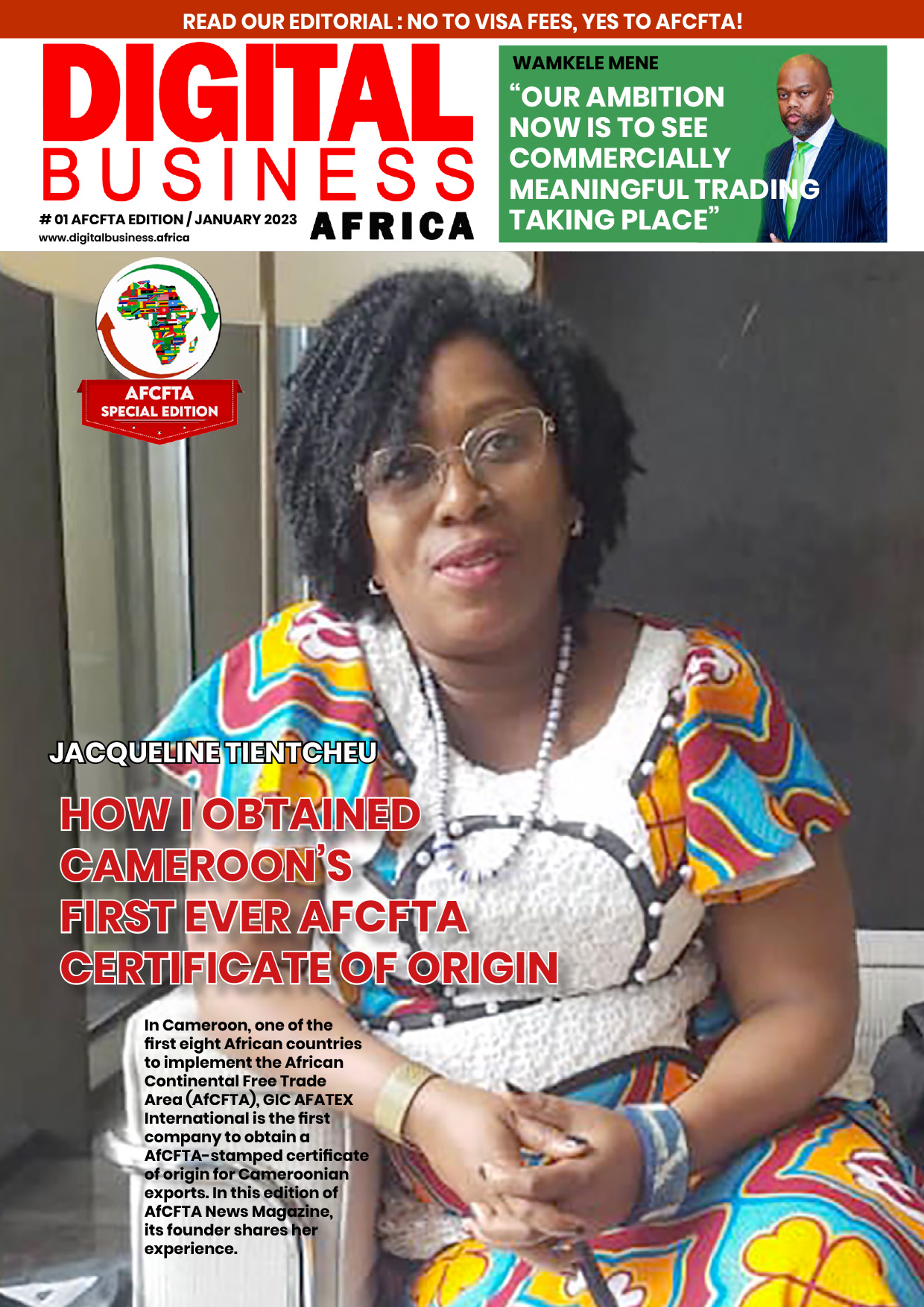
[Digital Business Africa] – In addition to the news on ICT, Telecoms, and Digital in Africa, your magazine Digital Business Africa has decided to devote an edition to the AfCFTA, the African Continental Free Trade Area.

On the menu of this first edition AfCFTA: The amazing experience of Jacqueline Tientcheu, the first Cameroonian to have an AfCFTA certificate of origin. The role of ambassadors in AfCFTA. AfCFTA events not to be missed.

Be sure to download our magazine with several other strategic information on the chances of African countries in the AfCFTA, including a major tool, and a guide to better exchange with other African countries.

By Digital Business Africa

Silicon Mountain Conference 2022 – Orange Cameroun reinforces its promise to the tech innovation industry

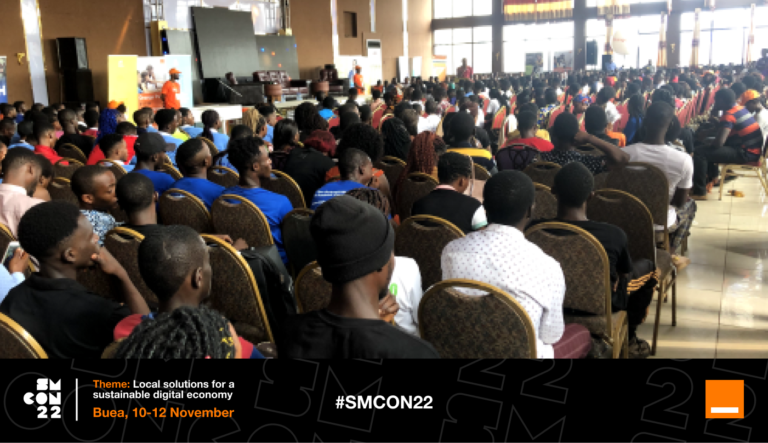
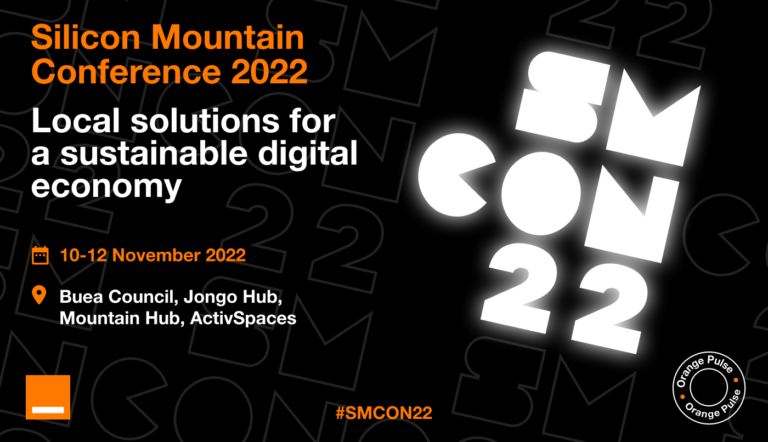
The 4th edition of the Silicon Mountain Conference, under the theme “Local solutions for a sustainable digital economy”, was held from the 10th-12th November 2022 and was open to all participants with an extensive schedule across various hubs and locations including ActivSpaces, Jongo Hub, Mountain Hub & the Buea Council.

The highlight of this year’s event was the Silicon Mountain Hackathon sponsored by Orange with a cash prize of 1 million FCFA up for grabs.

Several talented young Cameroonians took part in the #SMCON22 Hackathon, under the theme Hack our City: Develop a solution for Waste Management in the City of Buea.

This year’s winner, Team Semantics, a team mainly comprised of young women in Tech, is an “Uber for waste” service designed to help people living in Buea to find waste collectors easily in real-time while increasing the visibility of waste collectors.

I take this opportunity to once again congratulate the two runners-up, Clean My City and Team Pickam, as well as the other teams on their energy to make this 24-hour hackathon a success.

From the hackathon to the code battle, and the various workshops and keynote speeches, there was no shortage of evidence of the Cameroon tech and startup industry’s creativity, diversity and innovation.

This comes as Orange Cameroon has continued to build strong relationships with the Silicon Mountain community via partnerships with tech hubs and start-ups like ActivSpaces and Gifted Mom or through Orange Digital Center programs such as POESAM and Orange Summer Challenge.

We want to thank once more the whole Silicon Mountain Community and the Orange Pulse community at large for contributing to the success of this year’s event and we look forward to the future and better collaboration with these communities.

By Yves Kom, Chief Marketing Officer, Orange Cameroon

Ten initiatives to fight cybercrime and the Paris Call for Trust and Security in Cyberspace

[DIGITAL Business Africa] – Over the past decade, ransomware has emerged as a prominent component of the global cyber threat landscape. This type of attack aimed at taking control of a target system, in order to block, encrypt, steal and potentially delete its data, is used mainly for immediate extortion purposes, requiring victims to pay a sum in exchange for the return of assets availability and confidentiality.

While ransomware appeared at the end of 1980’s, and are therefore not a new threat as such, their current incidence – estimated at 12% of data breaches in 2022 (IBM, 2022)- as well as their direct and indirect cost –1.4 million $ per organization in 2021 (Sophos, 2022) are unprecedented. Another striking trend lies in the profile of the affected organizations, which are increasingly public institutions and critical infrastructure operators. Since the start of the Covid-19 pandemic, the health sector has become a prime target for threat actors, with 384 ransomware incidents recorded across 38 countries (CyberPeace Institute, 2022).

As a global phenomenon, the ransomware threat spares no industry or region across
the globe the world. It relies on a complex ecosystem – ranging from transnational
organized crime to state-backed actors (Trellix, 2022).

As with most challenges in cyberspace, which remains privately owned or operated for large parts, a global governance framework gathering all actors involved in the detection, prevention, reaction and repression of these should be sought. Ransomware attacks differ from other cyber malicious acts, however, as they are specifically based on blackmail, placing the victim in an even more active role when addressing these acts.

In many cases, targeted private organizations don’t know how to proceed when facing the disruption of their services and the risk of data loss or disclosure. The opportunity to pay the ransom requested, for instance, is still widely debated among stakeholders
notwithstanding the cautions expressed by public authorities – as more than half of
victims pay the ransoms according to recent surveys (Kaspersky, 2021).

The dynamics of the phenomenon thus reinforce the need to achieve effective cooperation and common understanding between private and public actors. Public-Private Partnerships (PPPs), whose value has long been widely recognized in the cybersecurity field, have naturally been proposed as a key component of the response to ransomware.

PPP is usually defined as an “agreement/ cooperation/ collaboration between two or more public and private sectors and has developed through history in many
areas” (ENISA, 2018). While most actors agree on the usefulness of such a broadly
defined action pattern, discrepancies remain between public authorities and the
stakeholder community on what is concretely expected of each party.

Starting from this premise, the Paris Call for Trust and Security in Cyberspace has
launched a workstream aimed at informing the intergovernmental work of the Working
Group n°3 of the Counter Ransomware Initiative by providing a global, multistakeholder lens. This workstream brought together representatives from the public sector, industry and civil society for a round of discussions initiated in mid-2022, where participants agreed on the drafting of the present compendium of existing global initiatives aimed at fighting ransomware threats through PPP cooperative models.

The restitution of the current “state of play” was considered a necessary prerequisite to
further discussions between communities toward the identification of replicable good
practices for each stage of action.

Participants identified a substantial number of initiatives with a global or regional scope
that rely on PPP cooperative models – suggesting broad adhesion to the idea that PPPs
in the fight against ransomware are not only useful in the domestic context but also at
the supranational level.

The existence of regional initiatives alongside initiatives with a worldwide scope suggests that the ransomware threat while being a global phenomenon is in part underpinned by local dynamics that deserve to be addressed more specifically.

A classification of these initiatives has been attempted on the basis of the nature of the goal pursued – which generally correlates with the mandate of the public organization(s)
involved in the PPP. Since ransomware is primarily associated with cybercrime, the
majority of existing initiatives are aimed at facilitating investigations as part of the law
enforcement activities (e.g. INTERPOL’s Gateway Project, World Economic Forum’s
Partnership against cybercrime).

A substantial number of initiatives also aim to provide policy and strategy recommendations for stakeholders, based on prior identification of the gaps at this level as well as threat analysis (e.g. Ransomware Task Force, ENISA Working Group on Cyber Threat Landscape). Finally, a smaller number of initiatives focus on awareness raising and user empowerment by proposing guidance and tools in the event of a ransomware attack, which in turn facilitates investigations (e.g. No More Ransom Project).

The reconstitution of this landscape provides a baseline for building on what already
exists, with a view to identifying potential synergies and redundancies between initiatives,
as well as gaps that are not currently addressed. In line with the feedback often
expressed for cybersecurity PPPs at the domestic level, it appears for instance that the
asymmetry in information sharing between partners of a different nature is still an
the obstacle to the full effectiveness of supranational initiatives.

Continuing this work would provide an accurate picture of stakeholders’ needs, which could be addressed by drawing on good practices identified over the long term.
The participants of the workstream hope that this effort will effectively support the
work of the Counter-ransomware initiative toward a global, comprehensive action
against these ransomware threats.

They will provide Working Group n°3 with their full report before the annual meeting of the Counter Ransomware Initiative and will offer participating States to exchange on the first outcomes of their work during a high-level roundtable in the framework of the 5th edition of the Paris Peace Forum, on November 11-12.

Source: Read the report and the top ten initiatives against cybercrime in the Paris Call Compendium of transnational PPP against ransomware 

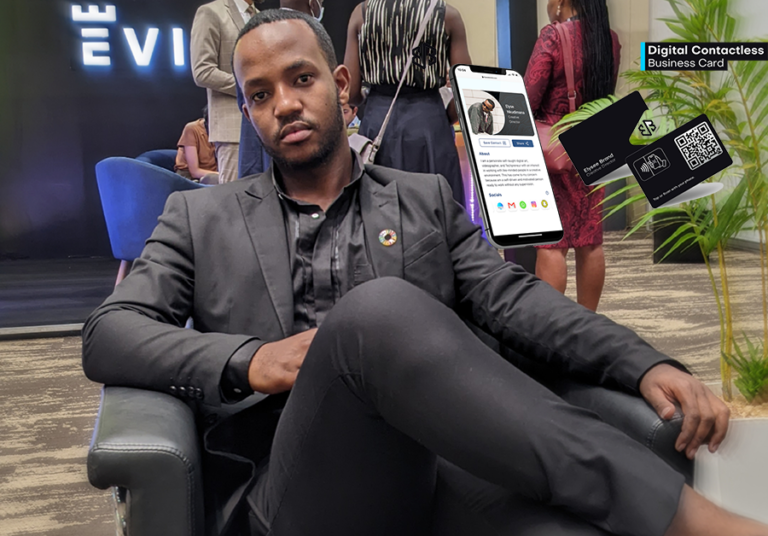
Elysee Nkundimana: “This is a digital contactless business card that uses NFC technology”

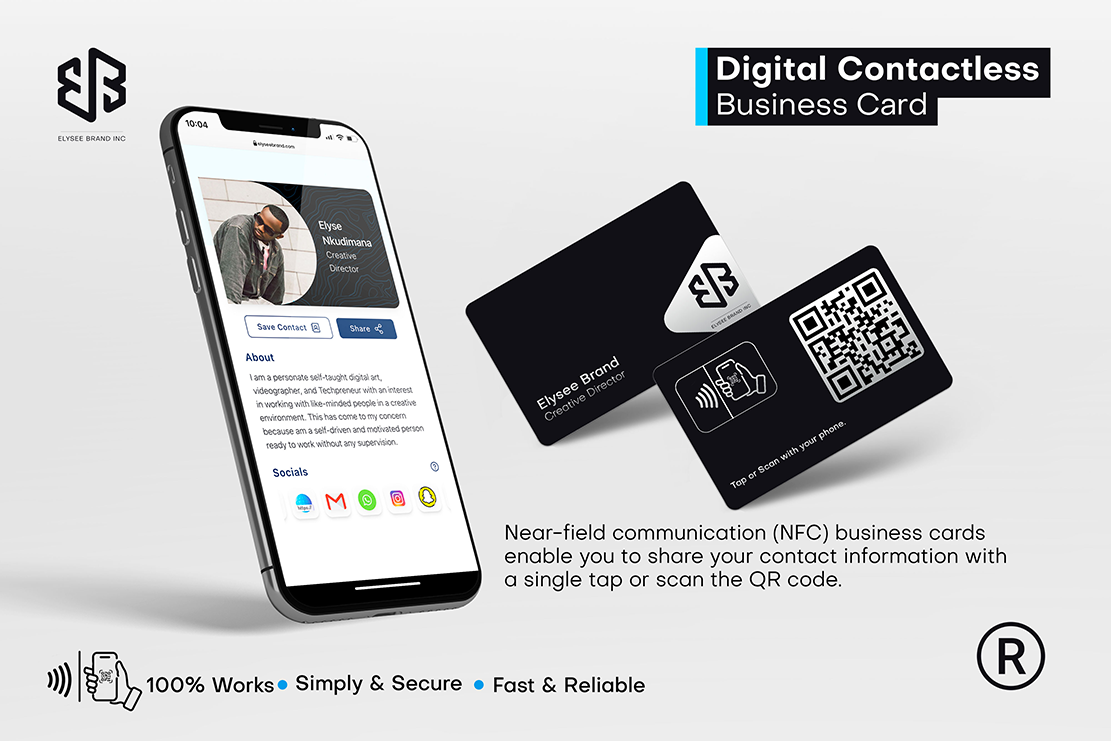
[Digital Business Africa] – A digitalized business card. Accessible by NFC technology or QR code. With the option to save it in your contacts in two or three clicks. No need to print hundreds of business cards. A single card is enough. And when it is brought closer to a smartphone that has activated the NFC option, all contact information is available. This is what the young company Elysee Brand proposes.

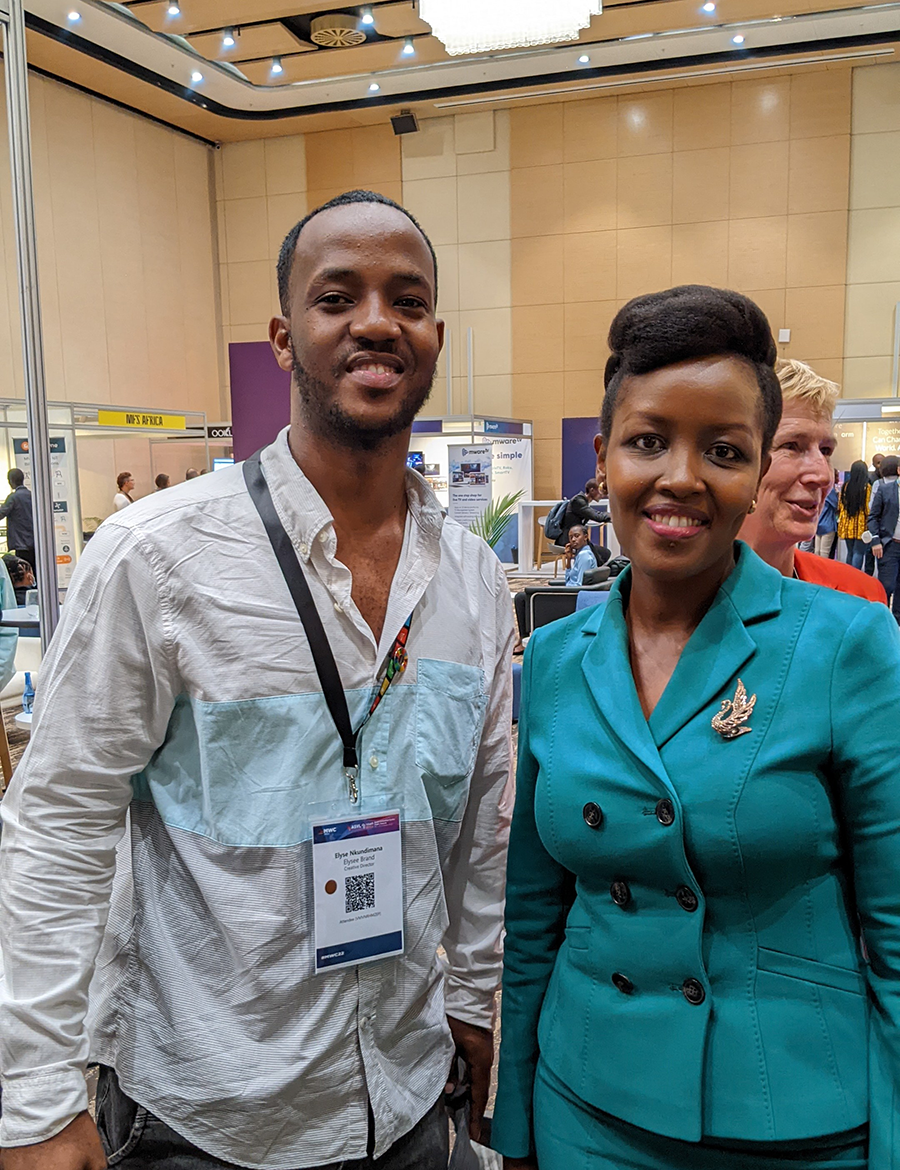
Its promoter Elysee was present at the Mobile World Congress Africa in Kigali a few weeks ago and presented to many visitors his solution. In this interview with Beaugas ORAIN DJOYUM, he explains the specificities of this digitalized business card.

Digital Business Africa: What is the little story behind the Elysee Brand initiative?

Elysee Nkundimana: This project has come to my mind to solve the old way that many people are using today of keeping the information on paper which may get lost or damaged. And I started thinking about how can be solved by keeping data in an electronic single device.

The idea has come in 2021 after the hard times of covid-19 when people were not allowed to meet in public places. So when the government started to allow people to go to an event or public places and it was mandatory that every person must go to an event or public place with a proof of covid-19 vaccination certificate.

“So one day, I was going to an event and my phone was dead I reached the gate one person from the health organization asked me for a vaccination certificate and I couldn’t find it because it was not easy to find it and to get how I can charge it” so from that time I started to think how I can create digital contactless covid-19 vaccination status card. From that, I develop a different product that uses NFC technology.

Digital Business Africa: How do customers respond to your digitized business cards?

Elysee Nkundimana: The feedback on this Business card are good because all the customer who is using it have provided positive feedback that it works fast and user friendly and it is simple to use it. The card is compatible with all smartphones both IOS and Android devices.

Digital Business Africa: What is special about this type of business card?

Elysee Nkundimana: This is a digital contactless business card that uses NFC technology when you share information With just a single tapping of the smartphone or scanning the QR code. This has come to solve the problem of running out of cards. Not just for in-person meetings, but also online networking and virtual events.

Digital Business Africa: How much does a digitized business card cost?

Elysee Nkundimana: USD 75 one-time payment and it’s used for a long time without expiration

Digital Business Africa: What are the numbers that makeup Elysee Brand today?

Elysee Nkundimana: 1-10 Elysee Brand company is made of many creative talents (Developers,  Creative directors, Graphic designers, videographers, photographers and content creators) all of them are professionals with experience in what they do.

Digital Business Africa: What are your ambitions with Elysee Brand?

Elysee Nkundimana: I want to see my company on top of the other visual companies in my area.

“To be yourself in a world that is constantly trying to make you something else is the greatest accomplishment”.

Digital Business Africa:  What is your background?

Elysee Nkundimana:: Born and raised in Kigali, Rwanda, Elyse NKundimana, founder of Elysee Brand developed his love for visual production while at school, working for local media houses and different event planners and at the age of 18.

I am self-taught and I use tutorials to learn new things. After high school, I was ambitious to see my dreams come true, later I  joined TV1 Rwanda (one of the major media houses in Rwanda) where I learned from experienced directors who pushed me to set my focus on directing music videos. I continued growing my skill by learning online website design and development which helped me till now to develop my digital products.

Digital Business Africa: You have several digital projects to your credit. What is the completed project that makes you proud?

Elysee Nkundimana: I have up to 4 products that use NFC technology which is (Digital contactless   covid-19 vaccination status, Digital contactless business card, Digital contactless menu and multifunctional smart ring). The project that makes me proud is the Tap services which I think will lead to success and many people have liked the innovation behind it.

Digital Business Africa: What other specific project are you currently working on?

Elysee Nkundimana: The project that I am currently working on is Tap Services we are implementing NFC cards to do more than the business card so those cards can be used to perform different tasks That can handle different tasks.

Digital Business Africa: How should governments support young entrepreneurs and innovators like you?

Elysee Nkundimana: Government should help young entrepreneurs to get connections with people who can invest in their projects because sometimes the funds for starting the project is a problem which may affect the development of the project.

The government should also help entrepreneurs to give space for exhibition at the international summit (Booth) so that they can showcase their products. Which can help the to get more clients from different countries.

Digital Business Africa: What is your advice to young people embarking on initiatives like yours?

Elysee Nkundimana: The advice I can give young people is to think outside the box and find they can stick to their dream and not let anyone in their minds change their ideas because we don’t have the same ambition.

They should also find how they can find someone who is experienced in marketing and can help them in advertising their final products and finding paths of putting their projects on an international level.

Digital Business Africa: If you had the chance to meet the President of the Republic, Paul Kagame, what would you say to him?

Elysee Nkundimana: First of all I will thank him for the way he has developed the technology in our country that is mostly helping us in our everyday development. Everywhere in the country, you can find internet which has good speed.

And I should ask him to put more energy into helping entrepreneurs to get the way they can put their products on international levels.

Interviewed by Beaugas Orain Djoyum


Silicon Mountain Conference 2022 – Orange Cameroun reinforces its promise to the tech innovation industry

Silicon Mountain is a nickname coined to represent the technology ecosystem (cluster) in the Mountain area of Cameroon, with its epicenter in Buea. It is currently home to tech startups and a growing community of developers, designers, business professionals and universities.

Over the years, this community has had an outsize impact on tech innovation & entrepreneurship including success stories like Gifted Mom (a mobile health platform that uses low-cost technology to help mothers and pregnant women access medical advice in out-of-the-way, rural communities) and Njorku (one of the biggest job search engines in Africa with more than 50,000 site visits each week, available across 15 countries in Africa).

As part of its strategy of being the digital operator of choice Orange has been at the heart of digital innovation & entrepreneurship in Cameroun and that is no different this year with our sponsoring of the Silicon Mountain Conference, the biggest event of its kind in Central Africa, that brings together the top tech industry players in the sub region to promote technological prowess in all its forms.

According to Mr. Yves Kom, Chief Marketing Officer at Orange Cameroun, this year’s edition (the 2nd time as a major sponsor) will be an opportunity to highlight local solutions for a sustainable digital economy.

This comes as Orange has continued to build strong relationships with the Silicon Mountain community via partnerships with tech hubs and start-ups like ActivSpaces and Gifted Mom, or through Orange Digital Center programs such as POESAM and Orange Summer Challenge.

“We are looking forward to welcoming our Orange Pulse community, and the Cameroun tech & start-up industry at this year’s event, where we have a number of exciting announcements to make.”

Source: Orange Cameroon

At MWC Africa, Paula Ingabire presents the five main pillars of Rwanda’s new broadband policy.

[DIGITAL Business Africa] – The Rwandan Minister of ICT and Innovation, Paula Ingabire, presented to the African ministers in charge of ICT the main pillars of the new National broadband policy and strategy of her country adopted a week ago.

It was yesterday, October 25, 2022, in Kigali, Rwanda, during the Policy Leader’s forum organized by the Council of ICT Ministers in partnership with the GSMA. Meeting was organized jointly with the first edition of the Mobile World Congress Africa.

Paula Ingabire explained that the new Rwandan broadband policy proposes a redefinition of the market structure, moving from a service-based competition to a global deployment of networks and advanced services.


This, she says, goes hand in hand with aligning spectrum licensing and the regulatory framework with investment strategies. This is to attract more operators and investors to the broadband market.

The five pillars of broadband

The Minister said that Rwanda’s new broadband policy continues to focus on five important progressive pillars, namely: secure and optimized broadband infrastructure resources management; Inclusive access to high-quality, trusted, and competitive broadband services; Sustainable and meaningful broadband connectivity driving broadband adoption; Digital skills for all and local digital innovation competences and finally National climate resilience promotion

The six objectives covered by these pillars, the Minister reminds us, are:

  1. To enable access to affordable and quality broadband services: this will include a continued focus on smart device penetration, opening diversified international traffic routes, and implementing number portability services.
  2. To enhance competition on infrastructure, which will involve objectives in the Introduction of terrestrial wireless technology neutrality, reviewing spectrum resources usage, strengthening measures to facilitate and enforce infrastructure sharing, and strengthening measures to accelerate broadband coverage.
  3. To upscale the capacity and reach of broadband networks, “with our policy objectives being to integrate broadband targets in national infrastructure investment planning, to promote bulk broadband capacity purchases to drive cost reduction, to promote alternative broadband infrastructure technologies, and to promote local Internet Exchange Points and local hosting facilities”.
  4. To promote broadband as a catalyst for innovation. Rwanda will work towards objectives to put in place incentives to promote innovative technology solutions and to develop a broadband industry development index.
  5. To develop skills and increase value perception for broadband services. Rwanda will undertake continuous capacity development and training for experts in the various areas of the broadband domain, facilitate our citizens to undertake training and acquire relevant digital skills, and will continue to initiate and promote programs aimed at building digital trust among the citizens.
  6. And finally, Rwanda will adopt agile methods of regulation that will help us to develop data-driven regulatory frameworks and regular market assessment in response to the rapid broadband industrial changes.

This new broadband policy will, according to the government, be a key enabler of Rwanda’s aspirations to achieve high-income country status and upper-middle-income country status by 2035.

” We are certain that improving broadband services in Rwanda will be a critical enabler of the social-economic development we seek, and that this progressive policy will directly contribute to the achievement of our national strategic goals,” said Paula Ingabire.

The new National Broadband Policy of Rwanda

Par B-O.D, à Kigali

MWC Africa 2022: Africa’s first Mobile World Congress opens in Kigali with over 120 business leaders and decision makers from the mobile ecosystem

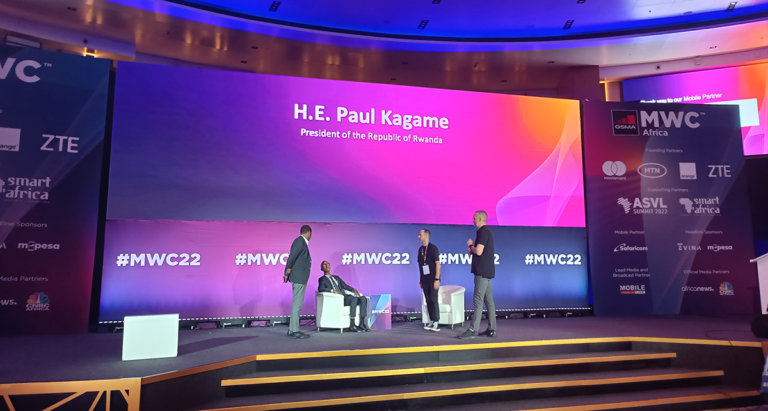
[DIGITAL Business Africa] – The first-ever Mobile World Congress to be held in Africa opens today, 25 October 2022, in Kigali, Rwanda. It is the MWC Africa 2022. The GSMA MWC Africa, the African branch of the GMSA, which is organising the event, will bring together a variety of ICT, telecoms and digital experts, business leaders and policymakers, and of course stakeholders in Africa’s mobile ecosystem, over three days.

The aim of the meeting is to discuss how technology and shared value have the power to drive economic growth for people and businesses in Africa. MWC Africa 2022 will therefore host more than 120 expert speakers and over 60 hours of content. The content will include technological themes such as leadership for connectivity, Fintech and the concepts of “One People – One Purpose” and “Accelerate Africa”.

In addition to President Paul Kagame, the speakers will include Sanda Ojiambo, Under-Secretary-General and Director General of the United Nations Global Compact, who will be joined by Smart Africa’s CEO, Lacina Kone, and the ATU’s Secretary General, John Omo.

“Expect to hear from thought leaders and experts who will share their insights on topics such as how to close the mobile usage gap and power digital transformation to drive economic growth and opportunities for all across our continent,” said GSMA’s Head of Sub-Saharan Africa, Angela Wamola.

The 2022 GSMA Africa Policy Leaders Forum will bring together key stakeholders from ministries, regulatory bodies and the broader mobile ecosystem. Discussions will include how government policy across the region is aligning with technological developments as well as the policy developments needed to advance Africa to the digital economy.

The GSMA would like to extend its thanks to the Rwandan Minister of Information and Communications Technology (ICT), Ms Paula Ingabire and the Ministry of ICT for their support as hosts and facilitators of the event.

Partner Programmes and Summits

The 5G Summit will deep dive into commercial 5G services, with a particular focus on Africa, where the journey to 5G has begun, with stakeholders taking steps to accelerate the transition to 5G.

FinTech, which is at the forefront of Africa’s digital transformation, is pioneering the availability of financial services and supporting financial inclusion. The FinTech Summit will explore the latest innovations and emerging technologies which are set to shape Africa’s financial services over the next decade.

SVAI and Shift Impact Africa have partnered with the GSMA to bring together the sixth annual Africa Shared Value Leadership Summit (ASVL Summit) and MWC Africa. The ASVL Summit’s unifying theme ‘One Africa, One Voice’ underscores the need for organisations to work together across borders and industries to benefit all Africans. It shows how the economic benefits of creating shared value as a collective can be achieved by close collaboration between stakeholders and companies for social progress and business success.

At the ASVL Summit, Assistant Secretary-General and CEO of the United Nations Global Compact, Ms Sanda Ojiambo will join the session, “Creating Shared Value – Technology as an enabler to driver Africa’s growth.”

Smart Africa has partnered with the GSMA to co-host key organ meetings during MWC Africa. Smart Africa’s co-located meetings at MWC Africa include the Council of Ministers of ICT (CMICT), the Steering Committee and the first edition of the Forum of the Private Sector.

The meetings are an opportunity for stakeholders to discuss regulation and policy frameworks and advance the digital transformation of the continent. Smart Africa actively encourages and supports private initiatives and investments in the technology and communications sectors via the Smart Africa Alliance platform.

Large-Scale Impact

GSMA Mobile for Development (M4D) is uniquely positioned at the intersection of the mobile ecosystem and the development sector. Our work has impacted 126 million lives to date – and counting. We are excited to host our first dedicated “Development Theatre”, where attendees can learn how M4D stimulates digital innovation to deliver sustainable business and large-scale socio-economic impact for the underserved.

Event Partners

MWC Africa’s industry-leading agenda is enabled by the partners of our event. We are proud to have the support of leading global and regional companies including our founding partners Mastercard, MTN, Orange, and ZTE and our supporting partners ASVL Summit 2022 and Smart Africa. Additionally, mobile partner, headline partner Safaricom, and headline sponsors Evina and M-Pesa.

Taking to the stage we will hear from industry and thought leaders, such as:

Dr Robert Ochola, CEO, Africa Nenda, Exploring the FinTech (R)Evolution
David Lotfi, CEO, EVINA, Scaling Innovation for a Digital Africa
Bankole Falade, Chief Regulatory Affairs and Government Relations Officer, Flutterwave, Keynote 3, FinTech: What does the future hold?
Louise Cottar, Strategic Advisor, Hormuud, Delivering a Digital Economy for All
Kunle Iluyemi, CEO, Rwanda, IHS Towers, Network Modernisation
Anne-Rachel Inné, Regional Director, Region Office for Africa, International Telecommunication Union (ITU), 5G Summit
Tiekie Barnard, CEO and Founder, Shared Value Africa Initiative and Shift Impact Africa, Empowering You
Ngozi Megwa, SVP Digital Partnerships, EEMEA, Mastercard, Keynote 3, FinTech: What does the future hold?
Sitoyo Lopokoiyit, Managing Director, M-Pesa Africa and Ag. Chief Financial Services Officer, Safaricom, “


Keynote 3, FinTech: What does the future hold?; FinTech Summit, The Vision & Strategy of Fintech

Mapula Bodibe, CEO, MTN Rwanda, Network Modernisation
Nompilo Morafo, Group Chief Sustainability & Corporate Affairs officer, MTN, Delivering a Digital Economy for All
Chika Ekeji, Chief Strategy & Transformation Officer, MTN Group, What Does Metaverse Mean for Africa?
Serigne Dioum, Chief Digital & Fintech OfficerSummit, MTN Group, The Vision & Strategy of Fintech
Brelotte BA, Deputy CEO, Middle East & Africa, Orange, Keynote 2, Leveraging Tech to Transform Africa, 5G Summit, Exploring the FinTech (R)Evolution
Elizabeth Migwalla, Vice President, International Government Affairs, Qualcomm, 5G Summit
Juliana Lindsey, UNICEF Rwanda Country Office Representative, “Delivering a Digital Economy for All”
Steve Chege, Chief Regulatory & External Affairs Officer, Vodacom Group, 5G Summit, Next in Tech
Mariam Cassim, Group CEO Vodacom Financial and Digital Service, Vodapay, “The Vision & Strategy of Fintech”
Ye Xiaohan, Vice President, ZTE Corporation,

About GSMA

The GSMA is a global organisation unifying the mobile ecosystem to discover, develop and deliver innovation foundational to positive business environments and societal change. Its vision is to unlock the full power of connectivity so that people, industry, and society thrive.

Representing mobile operators and organisations across the mobile ecosystem and adjacent industries, the GSMA delivers for its members across three broad pillars: Connectivity for Good, Industry Services and Solutions, and Outreach.

This activity includes advancing policy, tackling today’s biggest societal challenges, underpinning the technology and interoperability that make mobile work, and providing the world’s largest platform to convene the mobile ecosystem at the MWC and M360 series of events.

By B-O.D, Kigali. Digital Business Africa. Source : GSMA Afrique

Here are the 13 African countries elected to the ITU Council, none from the CEMAC zone!

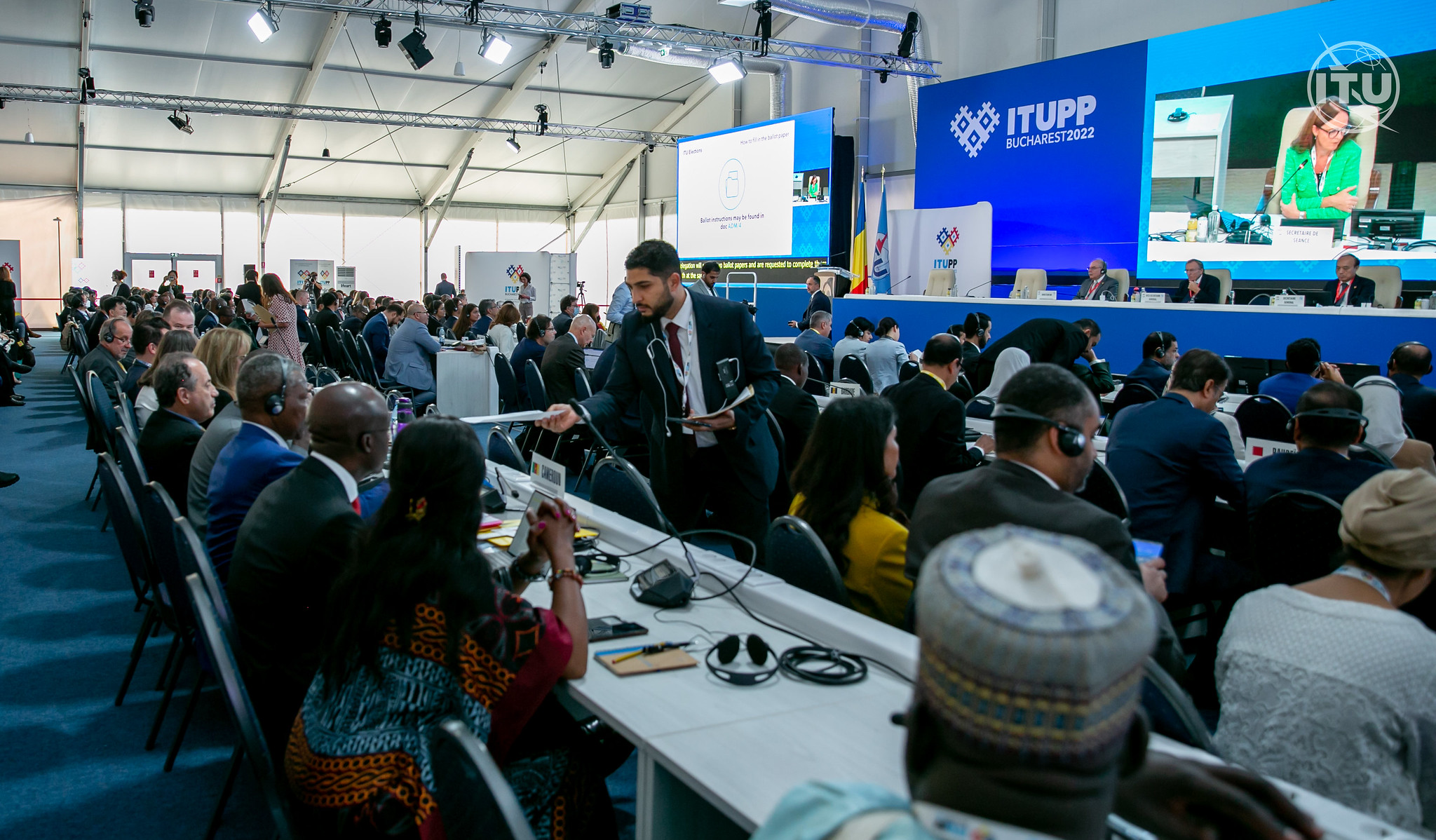
[DIGITAL Business Africa] – Member States of the International Telecommunication Union (ITU) today (03 October 2022) voted on the composition of the next ITU Council and the members of the Radio Regulations Board for the coming four years.

The voting started Monday morning at the ITU Plenipotentiary Conference (PP-22) in Bucharest, Romania.

ITU – the United Nations agency for information and communication technologies – holds elections every four years for its five top officials and for two key elected bodies.

In the final stage of the election process, ITU’s Member States competed for places on the 48-seat Council and the 12-seat Radio Regulations Board.

Seats on both bodies are allocated among five administrative regions

Voici les 13 pays africains élus au Conseil de l'UIT, aucun de la zone Cémac !

ITU Council

ITU’s Council serves as the organization’s governing body between sessions of the Plenipotentiary Conference, the supreme governing body convened every four years to set ITU’s strategic direction and budget plans.

The Council oversees ITU activities, policies and strategies, manages working groups on topics specified by the Plenipotentiary or the Council, and prepares draft ITU strategic and financial plans for presentation to the next Plenipotentiary.

ITU Council Member States elected for 2023-2026:

  • Region A: The Americas (9 seats) – ​Argentina; Brazil; Mexico; Bahamas; Canada; Cuba; United States; Paraguay; El Salvador.
  • Region B: Western Europe (8 seats) – Italy; United Kingdom; Sweden; Switzerland; Spain; France; Germany; Türkiye.
  • Region C: Eastern Europe & Northern Asia (5 seats) – Romania; Azerbaijan; Poland; Bulgaria; Czech Republic.​
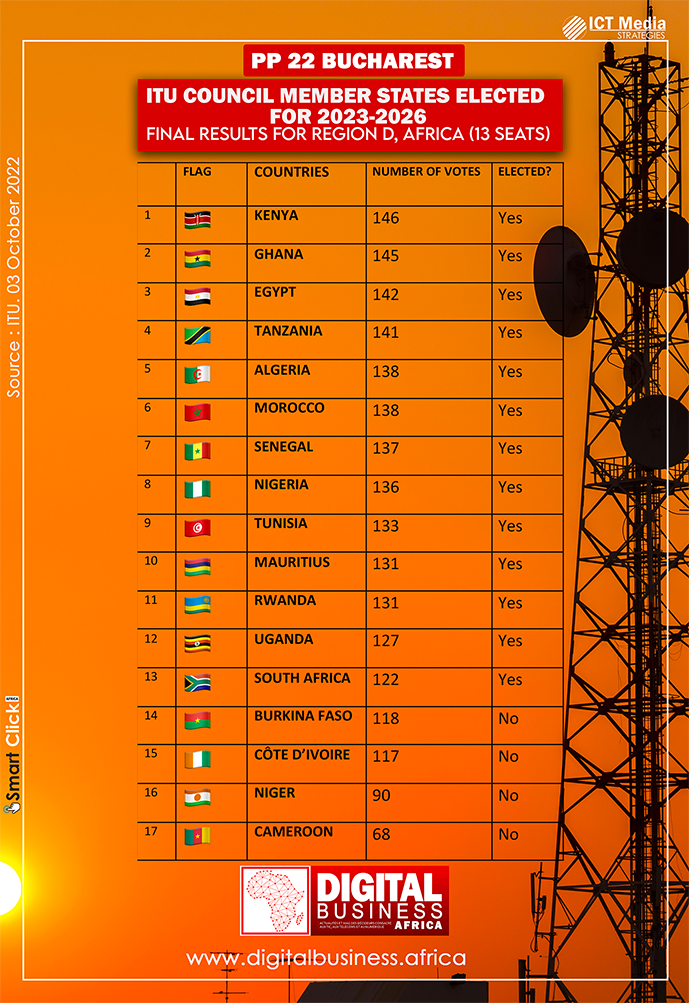
  • Region D: Africa (13 seats) – Kenya; Ghana; Egypt; Tanzania; Algeria; Morocco; Senegal; Nigeria; Tunisia; Mauritius; Rwanda; Uganda; South Africa.
  • ​Region E: Asia & Australasia (13 seats) – United Arab Emirates; India; Indonesia; Thailand; Malaysia; Japan; Kuwait; Philippines; Saudi Arabia; Australia; Korea (Rep. of); Bahrain; China.

Digital Business Africa presents you the results of the votes of the African countries in the running for this council. First observation, no country from the CEMAC zone (Economic And Monetary Community Of Central Africa) will sit on the ITU council.

​​Radio Regulations Board

The continuous expansion of wireless services worldwide creates competing demands for shares of the radio-frequency spectrum to support new applications.

ITU is the global authority responsible for the management of the radio-frequency spectrum and satellite orbit resources in accordance with the international treaty known as the Radio Regulations. It conducts this function through its Radiocommunication Bureau and a specialized membership segment of the organization’s broad public-private membership, the ITU Radiocommunication Sector (ITU-R).

The Radio Regulations Board is an independent ITU-R authority comprised of 12 elected members in regionally allocated seats spanning the globe.

The part-time body of experts approves the Rules of Procedure for applying the Radio Regulations – the sole international treaty governing the assignment and use of radio frequencies and the use of satellite orbits. It also serves as an appeal board in case of disputes and provides advice to ITU’s quadrennial World and Regional Radiocommunication Conferences.

​Election results for the ITU Radio Regulations Board 2023-2026:​

  • ​​​​​​Region A: The Americas – Chantal Beaumier (Canada); Agostinho Linhares de Souza Filho (Brazil).
  • Region B: Western Europe – Yvon Henri (France); Mauro Di Crescenzo (Italy).
  • Region C: Eastern Europe & Northern Asia – Sahiba Hasanova (Azerbaijan); Rizat Nurshabekov (Kazakhstan).
  • Region D: Africa – El-Sayed Azzouz (Egypt); Hassan Talib (Morocco); Edmund Yirenkyi Fianko (Ghana).
  • Region E: Asia &​​ Australasia – Revathi Mannepalli (India); Majed Alkahtani (Saudi Arabia); Jianjun Cheng (China).

​About ITU

The International Telecommunication Union (ITU) is the United Nations specialized agency for information and communication technologies (ICTs), driving innovation in ICTs together with 193 Member States and a membership of over 900 companies, universities, and international and regional organizations.

Established over 150 years ago, ITU is the intergovernmental body responsible for coordinating the shared global use of the radio spectrum, promoting international cooperation in assigning satellite orbits, improving communication infrastructure in the developing world, and establishing the worldwide standards that foster seamless interconnection of a vast range of communications systems.

From broadband networks to cutting-edge wireless technologies, aeronautical and maritime navigation, radio astronomy, oceanographic and satellite-based earth monitoring as well as converging fixed-mobile phone, Internet and broadcasting technologies, ITU is committed to connecting the world.

Par Digital Business Africa. Source: UIT

Cosmas Zavazava (Zimbabwe) was elected Director of ITU’s Telecommunication Development Bureau

[Digital Business Africa] – Next ITU leadership team in place. Member States have completed elections for the five leaders at the UN specialized agency entrusted with driving digital transformation.

​​​​Member States of the International Telecommunication Union (ITU) today, 30 September 2022, concluded elections for the organization’s top five management posts, with voting for the bureau directors responsible for the three main areas of ITU’s work.​

​​​​I​TU Bureau Directors for 2023-2026:​​

​​Mario Maniewicz (Uruguay) was re-elected for his second term as Director of ITU’s Radiocommunication Bureau, which is responsible for maintaining and implementing the Radio Regulations treaty that harmonizes international spectrum use and satellite orbits, and for developing the related technical standards.

Seizo Onoe (Japan) was elected as Director of ITU’s Telecommunication Standardization Bureau, which is responsible for developing international technical standards for telecommunication and ICT (information and communication technology) through a membership of governments, private companies, and technical experts from around the world.

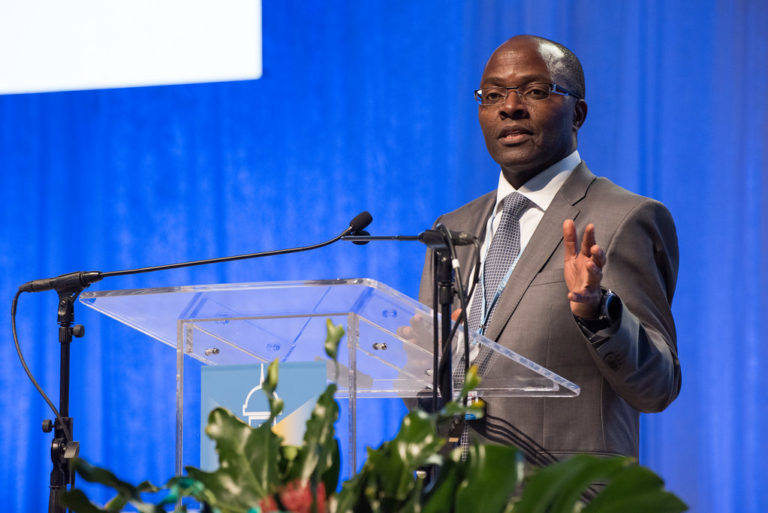
Cosmas Zavazava (Zimbabwe, picture) was elected Director of ITU’s Telecommunication Development Bureau, which is responsible for mobilizing global efforts to connect the unconnected through promoting equitable and inclusive digital development, upgrading infrastructure and capacity for developing countries, and initiatives to extend the benefits of technologies to all.

They form the ITU leadership team together with Secretary-General-elect Doreen Bogdan-Martin (U.S.) and ITU Deputy Secretary-General-elect Tomas Lamanauskas (Lithuania), both elected yesterday.

Each of the five elected officials is set to serve a four-year term starting on 1 January 2023.

See the PP-22 web pages for full election results​.

As the conference continues into its second week, Member States will vote on the 12 members of the Radio Regulations Board and the 48 members of ITU Council on Monday 3, October.

Digital Business Africa

Alexander NTOKO: “I have what it takes to lead the Bureau responsible for implementing ITU’s development mandate”

[DIGITAL Business Africa] – The International Telecommunication Union (ITU) Plenipotentiary Conference 2022 (PP-22) will take place at the Palace of Parliament of Bucharest, the Romanian capital, from 26 September 2022 to 14 October 2022.

The ITU Plenipotentiary Conference is the ITU’s supreme governing body. It is the largest meeting of the United Nations telecoms and digital agency. ITU’s Plenipotentiary Conference is held every four years, convening representatives of the organization’s 193 Member States to oversee global radio spectrum allocation, the creation of global technical standards for information and communication technology (ICT) networks and services, and efforts to promote digital inclusion in under-served communities. PP-22 is also to set ITU’s general policies, adopt four-year strategic and financial plans, and address key ICT issues as requested by ITU Members.

Furthermore, the conference will elect ITU’s next Secretary-General, Deputy Secretary-General, and Directors of the Bureaux of the Radiocommunication Sector, the Telecommunication Standardization Sector, and the Telecommunication Development Sector, along with the members of the Radio Regulations Board.

The Plenipotentiary Conference also elects the Member States that constitute the next ITU Council, which acts as ITU’s governing body in the interval between plenipotentiary conferences.

DIGITAL Business Africa has chosen to introduce you to the Africans who aspire to lead the ITU bodies and the opportunities and strengths of these African candidates and the countries aspiring to join the ITU Council.

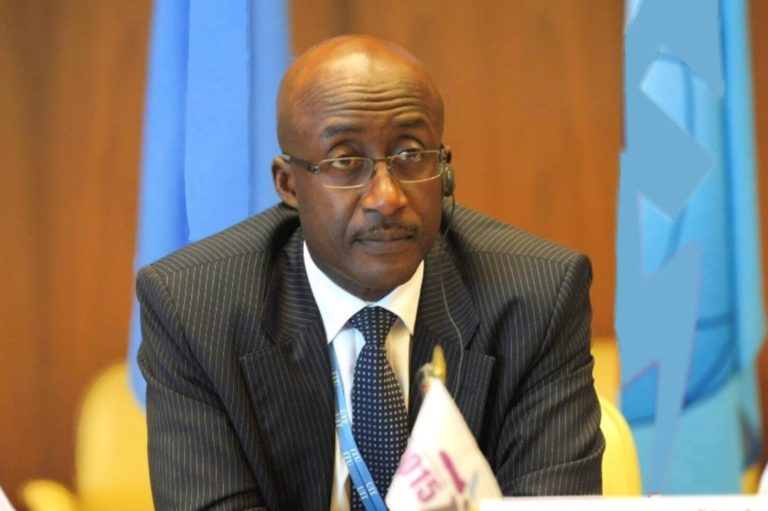
Today we speak to Alexander NTOKO, a candidate from the Republic of Cameroon, for the position of Director of the ITU Telecommunication Development Bureau.

DIGITAL Business Africa: You are a candidate for the position of Director of the Telecommunication Development Bureau (ITU). What motivates your candidacy?

Alexander NTOKO: As you all know, today, the world faces several global challenges: climate change, hunger, conflicts, pandemics, lack of connectivity, and wars to name a few. The promise of the Sustainable Development Goals was to achieve them by 2030. We are now only 8 years away and a lot of progress is still to be done.

No matter the challenges faced, technology continues to evolve at the fastest speed ever seen. We see new ICT trends such as Artificial Intelligence, blockchain, the Web 3, the metaverse and NFTs. And ICTs continue to be essential in all aspects of life, but not everyone has access to them.

With activities that have benefited more than 150 countries from all regions of the world, the lead role in developing many innovative ICT solutions for developing countries, and more than 40 citations in academic and scientific publications in different languages, I am privileged to have acquired experience over the years and solid knowledge of rapidly changing technologies to provide neutral and objective guidance to countries so that we can make significant and measurable progress towards meeting the UN SDGs.   I have what it takes to lead the Bureau responsible for implementing ITU’s development mandate.  That is what motivates my candidacy.  We now need to implement the actions we have been talking about for years. This will firmly establish ITU-D as the premier platform for ICTs for Development.
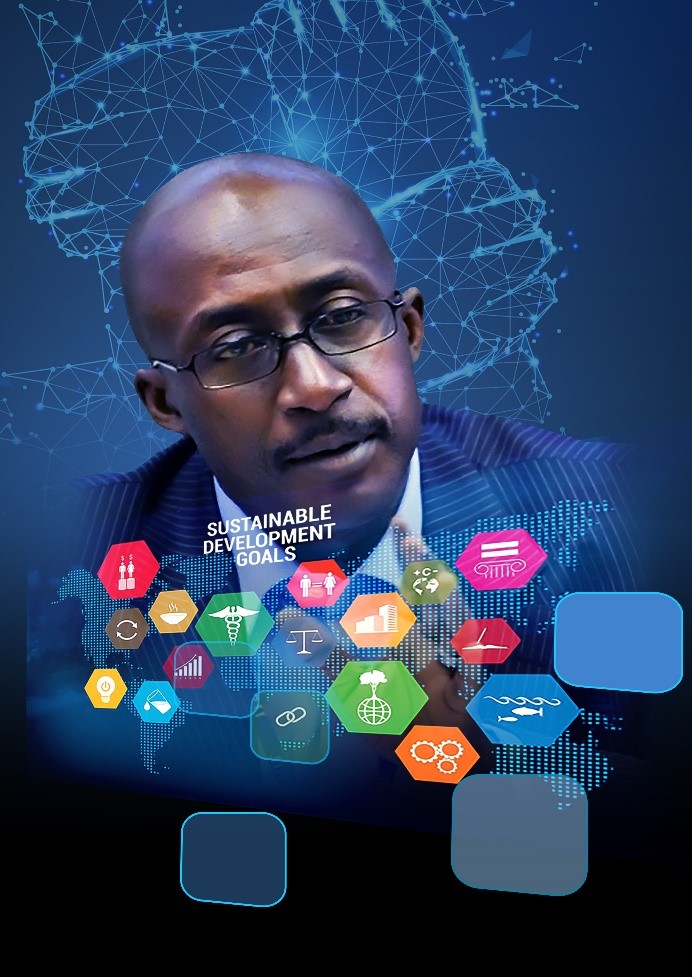
I am a representative of the people, their problems, needs and solutions. In my long career, I have witnessed that it is not about one country or continent, as the needs and problems are many times very similar. During my time as Director of BDT, I plan to bring the higher-level vision and coordination needed in all regions so that we can all benefit, learn from and exchange with each other.Alexander NTOKO

DIGITAL Business Africa: You have based your vision on three pillars below: Accessibility, inclusion, and diversity; Connecting the unconnected and bridging the wider digital divide and finally pillar 3 Empowering entrepreneurial youth globally. Each of those pillars is important to you. How could you resume shortly the importance of those three pillars? 

Alexander NTOKO: The three pillars on which my vision is based are also three key pillars on which the development of society is created. Without ensuring that all are included in the conversation, that we have different points of view, that we can see the world through a different lens, that all can be connected and that everyone is empowered to follow their dreams and respective ambitions, society cannot function.

These three pillars are a must and not just a vision. They must happen for citizens and countries to advance.

Diversity and inclusion are not just in thought but also in the solutions provided to ensure that all groups of the population are represented. Connectivity equals opportunity as without being able to connect many are unable to access the latest opportunities out there.

Sometimes individuals cannot fulfil their potential because they simply are not aware of what is out there for them to apply to. This is what connectivity gives you, the world in the palm of your hand.

Lastly empowering youth is a must as the world and especially the African continent has a huge thriving youth population which needs to be catered towards. We need to ensure that youth will be given the tools to carve their own path toward the future.

DIGITAL Business Africa: What is the most important pillar according to you? And why? 

Alexander NTOKO: There is not one most important pillar. They are all interconnected, and they come together. It is like choosing eating versus drinking, they are both key and they must both be ensured. Connectivity without diversity and inclusion or accessibility will still leave citizens behind. Empowerment of youth without connectivity does not work. The pillars I propose stand on their own but are stronger together. If we work on all of them, we will be able to achieve the SDGs.
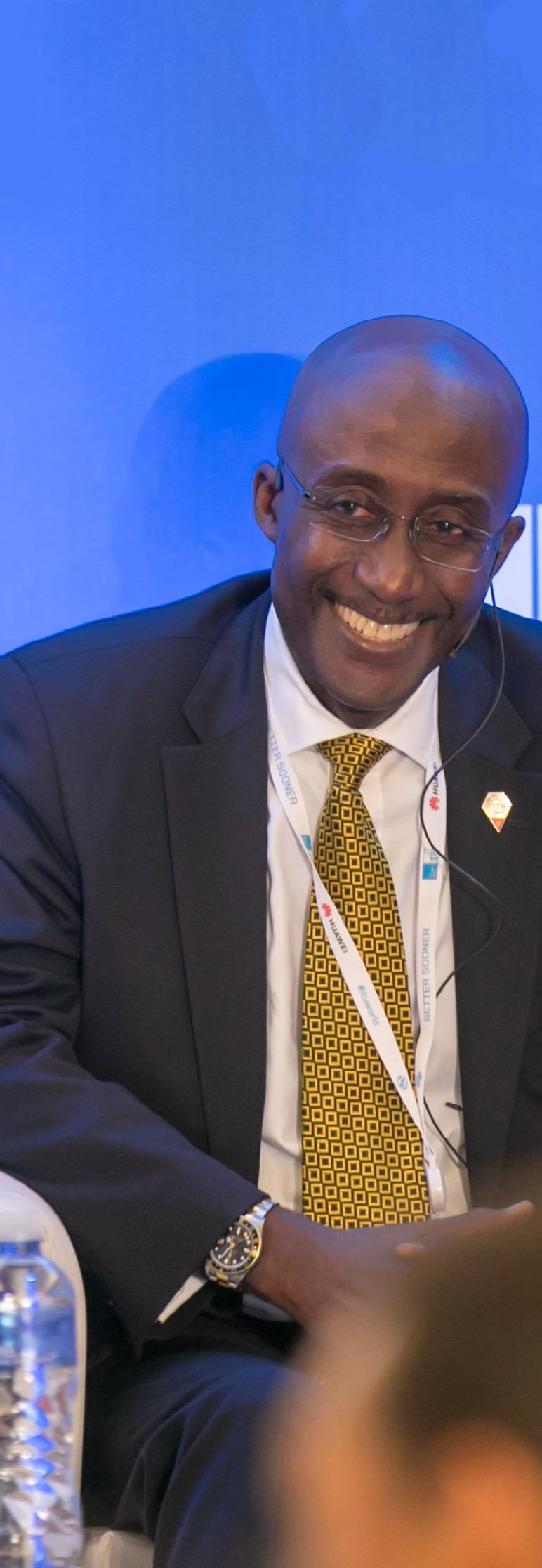
DIGITAL Business Africa: According to you, a smart Incubator is a concrete step to empower entrepreneurial youth from the most remote areas to build their start-ups and solutions based on global standards. How do you plan to achieve this and develop smart incubators in remote areas in Africa? 

Alexander NTOKO: The Smart Incubator is not a concrete step only; it is a reality. Start-ups have graduated from it and moved on to forge relations with companies and investors. The first pilot I launched quickly demonstrated the need to empower youth when it comes to innovation and entrepreneurship. Africa is already filled with brilliant innovators, who are looking for support to move to the next level. I merely observed and provided the tools to empower youth to step up and bring their innovations to another dimension with the help of global, open, interoperable, and non-discriminatory technical standards.

When it comes to such projects, proving the model is usually of key importance and is what takes the most time. We have proven the model and it even has success stories. The next steps are now to replicate in countries who have expressed their interest.

DIGITAL Business Africa: What place will have Africa in your actions if you are elected ITU’s director of the Telecommunication Development Bureau?

Alexander NTOKO: Diversity and inclusion are one of my key priorities, therefore it is important that the African voice is present and heard when it comes to the work of the ITU specifically and the entire UN more widely.

However, I am a representative of the people, their problems, needs and solutions. In my long career, I have witnessed that it is not about one country or continent, as the needs and problems are many times very similar.

During my time as Director of BDT, I plan to bring the higher-level vision and coordination needed in all regions so that we can all benefit, learn from and exchange with each other. Africa of course has a special place in my heart given that I am from the continent, but I am committed to ensuring that everyone worldwide receives the same opportunities as others, and we can do this by ensuring the implementation of the three pillars mentioned in my programme.

DIGITAL Business Africa: Tell us about yourself. Who is Alexander Ntoko, what is your experience in the telecommunications sector and for how long have you been working for ITU?

Alexander NTOKO: Cameroonian, born in Buea, Cameroon, I joined ITU as a young Computer Scientist in March 1990 with BSc and MSc degrees in Computer Sciences from the State University of New York, USA. In my 32 years in ITU, I have been in the General Secretariat, BDT and TSB for almost approximately 10 years in each part of the Union.

In the early 1990s, I led the introduction of Internet services within ITU and started assisting developing countries in their efforts to be connected and use this new platform.

In 1996, I led the design development and implementation of ITU’s e-commerce platform which globally, was one of the first in the world to sell and deliver products (digital) online.

In 1997, I led the project that brought the Internet into my country, Cameroon and later, assisted other countries in the acquisition and management of their country-code top-level domains. Related to this, I wrote and published a technology policy paper on why Africa must have its own Registry for the management of public Internet addresses.

In 1998, at the WTDC-98 in Valetta, Malta, I made a live demonstration of an e-commerce platform in which I played a lead role in its development.  This ITU solution was used to launch This platform was the basis for a new ITU initiative called Electronic Commerce for Developing Countries or EC-DC.
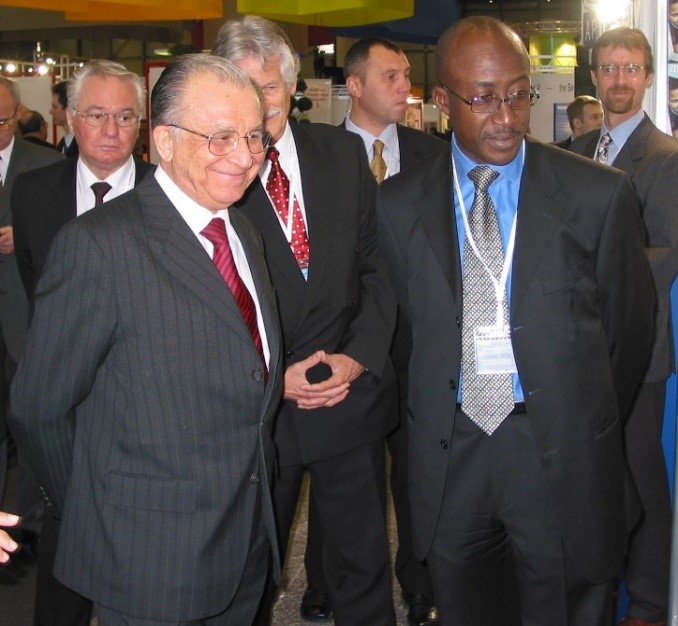
EC-DC received an award for innovation at the Global Bangemann Project Challenge in Stockholm, Sweden. Articles were written about this innovative platform by Time Magazine and other major press as an important global initiative which was aimed at bringing this technology to developing countries.

In the early 2000s, I led in the introduction of advanced encryption and biometric authentication to countries to increase security and trust in online services provided via the internet.

At WTDC 2002 in Istanbul Turkey, ITU membership adopted the creation of a new program which I managed, extending and mandate of ITU-D in areas such as e-security, e-health, e-government, e-agriculture, e-commerce, Internet, etc.

In 2003 at the Summit for Heads of State (WSIS phase 1), I played an important role by demonstrating how ICTs had been used in areas such as agriculture, commerce/trade, government services etc. This attracted press and Head of States to visit this stand. These are projects I implemented or initiated as the expert, which I strongly believed had a positive impact in those countries and regions.

In 2007, I led the design and development of the ITU Global Cybersecurity Agenda (GCA) as the framework for international cooperation in Cybersecurity. At its peak, there were more than 150 countries participating making it at the time, the largest framework for international cooperation in cybersecurity.  The GCA framework is still considered important today for many countries including those in the African continent.

For the past 10 years now, as Chief of the Operations and Planning Department of TSB, I have direct activities where innovative applications based on AI, blockchain and IoT are developed.
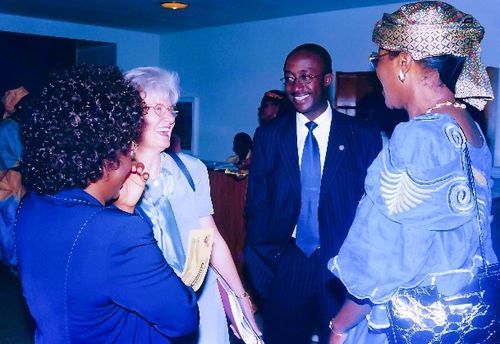
I launched the ITU Smart Incubator initiative to integrate innovation with standardization to empower startups led by young people in developing countries to bridge the standards gap.

In Feb 2021, ITU received the Geneva Engage Awards for innovation on a platform for remote participation developed under my leadership.

More than 150 countries directly benefit, physical presence in some 100 countries from all regions of the world, pioneering efforts in innovative uses of ICTS in developing countries, and more than 40 citations in academic and scientific publications in different languages are some of the numbers related to my 32 years of work in ITU.

DIGITAL Business Africa: Did the President of the Republic support your candidacy for this position at the ITU?

Alexander NTOKO: Yes, His Excellency Paul Biya supported my candidacy for this position. My candidacy was supported first by the Minister of Posts and Telecommunications, the Prime Minister, and the President of the Republic of Cameroon.  On 3 February 2022, the Minister of State, Secretary-General at the Presidency, formally informed the Minister of External Relations, Minister of Posts and Telecommunications and the Secretary-General of the Prime Minister’s Office of the formal approval and support of my candidacy by the President of the Republic of Cameroon.

Interviewed by Beaugas Orain DJOYUM, Digital Business Africa