

[Digital Business Africa] – As the global spotlight turns to the conference center of Yaoundé for the 14th Ministerial Conference of the World Trade Organization (WTO MC14), tensions are once again surfacing around one of the most contentious issues in global digital trade: the e-commerce moratorium.
On the sidelines of the high-level negotiations, representatives from developing countries are voicing firm opposition to the continuation of the long-standing moratorium on customs duties applied to electronic transmissions. For these economies, the stakes are not merely technical they are structural and fiscal.
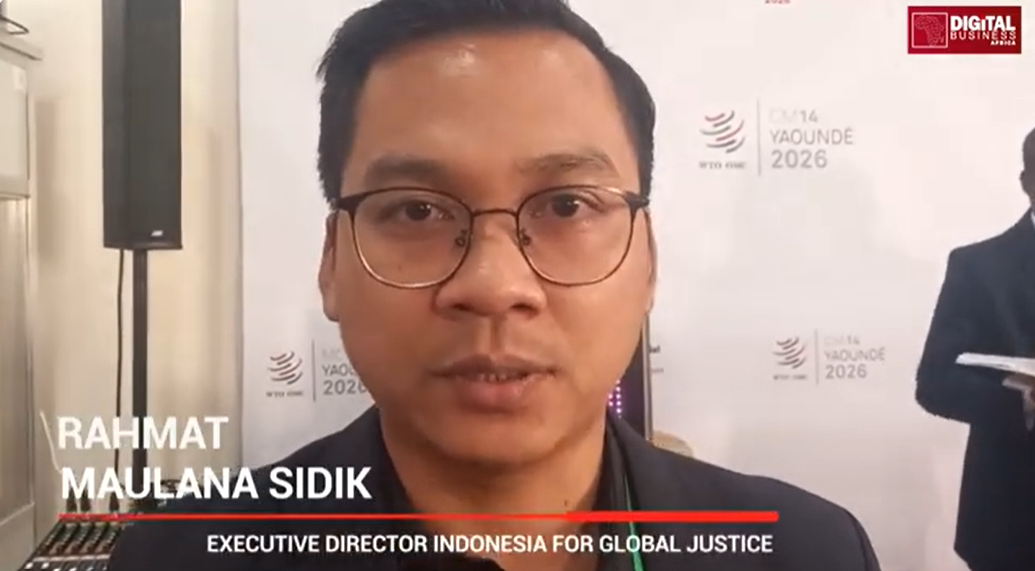
«« Our position in the e-commerce negotiations is very clear: we refuse the moratorium because it is harmful and directly impacts developing countries »,emphasized Rahmat MAULANA SIDIK from INDONASIA. The argument reflects a growing sentiment among Global South nations that the current framework disproportionately benefits digital giants headquartered in advanced economies.»
«At the heart of the dispute lies a critical concern: taxation. Governments in developing countries argue that the moratorium prevents them from collecting much-needed revenue from cross-border digital services, often dominated by platforms based in the United States, such as Amazon. “Our governments cannot effectively tax e-commerce platforms operating online but based abroad,” the delegate added, highlighting a structural imbalance in the global digital economy.»
For countries like Indonesia and many across Africa, the inability to levy tariffs on digital imports is increasingly seen as a constraint on economic sovereignty and domestic resource mobilization. This comes at a time when digital consumption is accelerating rapidly across emerging markets, further amplifying the potential revenue gap.
«Beyond taxation, the broader issue of fairness in digital trade governance is also at stake. “In these negotiations at the WTO in Cameroon, developing countries must make their voices heard. The moratorium must be reformed so that it works for developing economies,” the delegate insisted.»
This pushback signals a potential shift in the balance of power within WTO negotiations, as developing nations seek to reshape global digital trade rules to better reflect their economic realities. The outcome of these discussions in Yaoundé could therefore mark a turning point—not only for the future of the e-commerce moratorium but also for the broader architecture of digital trade governance.
As MC14 unfolds, the debate underscores a deeper divide: between those advocating for the free flow of digital trade and those calling for a more equitable distribution of its benefits. For Africa and other developing regions, the question is no longer whether to participate in the digital economybut under what rules.
By Loic SOUOP