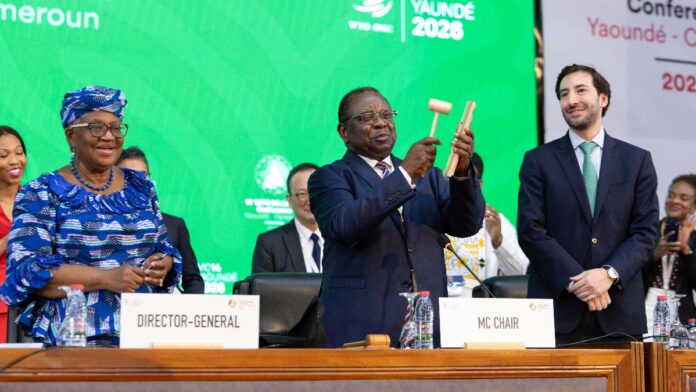

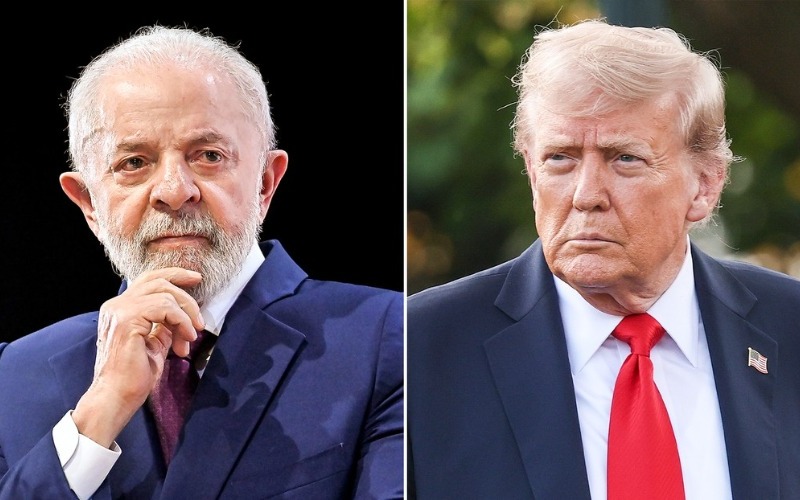

[Digital Business Africa] – During the 14th WTO Ministerial Conference in Yaoundé from 26 to 29 March 2026, Brazil emerged as the primary counterbalance to US demands to make the moratorium on electronic transmissions permanent. While the United States advocated for an unlimited extension to safeguard its digital giants, Brasília argued for a more cautious approach centred on development and the fiscal sovereignty of developing countries.
While a minimal compromise seemed achievable on Sunday, Brazil blocked the text on the moratorium to protest US demands and the lack of progress on agriculture. Brazilian Foreign Minister Mauro Vieira stated:
“Agriculture is the sector that has seen the least progress in the WTO’s 30 years of existence. We cannot allow this to continue.”
A Development-Focused Stance
In its official communication to WTO members one week before MC14, Brazil recalled that the digital divide persists and that disparities are exacerbated by the ongoing technological transformation. For Brasília, it is essential to have new empirical analyses on the moratorium’s impact:
– on policy space for industrial development,
– on innovation ecosystems,
– on tax revenues,
– and on the development of domestic digital and creative industries.
A Limited, Not Permanent, Extension
Brazil expressed support for a temporary extension of the moratorium until the next ministerial conference but rejected the idea of a permanent extension. It emphasises the need not to include digital content within the scope of the moratorium, in order to preserve the ability of states to tax certain digital services if necessary.
Hence, its proposal: “We further agree to maintain the current practice of not imposing customs duties on electronic transmissions until our next session, while reaffirming the importance of continuing to reflect on the effects of this practice on the policy space and fiscal capacities of developing and least-developed country Members. In this regard, we also urge that discussions within the WTO on the development of a balanced, development-oriented regulatory framework applicable to digital commerce progress, as well as discussions on ways to ensure that the benefits of the digital economy are more widely shared and that developing and least-developed country Members are better able to participate in and benefit from digital trade.”
An Institutional Proposal
Brasilia also proposed the creation of a Committee on Digital Trade and Emerging Technologies within the WTO. This committee would have the mandate to:
– institutionalise the Work Programme on Electronic Commerce,
– promote digital industrialisation,
– foster inclusive participation by developing countries,
– and bridge persistent digital divides.
“Brazil is of the view that establishing a Committee on Digital Trade and Emerging Technologies could ensure institutional stability for the work carried out so far under the Work Programme; this committee could serve as a forum for dialogue and cooperation on policies related to electronic commerce, digital trade and emerging technologies, with an emphasis on the development dimension,” proposed the country of Lula da Silva.
A Counterweight to the United States
By opposing Washington, Brazil supported a balanced, development-oriented vision, refusing to let the WTO permanently establish a moratorium that mainly benefits US multinationals. This stance contributed to the failure of negotiations in Yaoundé, but it shows a desire to prioritise the interests of developing countries in discussions on global digital governance.
Therefore, Brazil does not oppose the moratorium but opposes its continuation. It seeks an institutional framework that accounts for the fiscal and industrial realities of developing countries and rejects US pressure to embed an exemption from customs duties on electronic transmissions.
By Beaugas Orain DJOYUM