

[DIGITAL Business Africa] – One month after the historic failure of the 14th Ministerial Conference (MC14) of the World Trade Organisation in Yaoundé over the moratorium on electronic transmissions, discussions are resuming in Geneva with a strong signal: momentum in favour of extending the moratorium appears to be regaining ground.
Meeting on 6 and 7 May 2026 under the framework of the WTO General Council, members expressed a common determination to build on the areas of convergence achieved in Yaoundé, despite the absence of a final agreement at MC14.
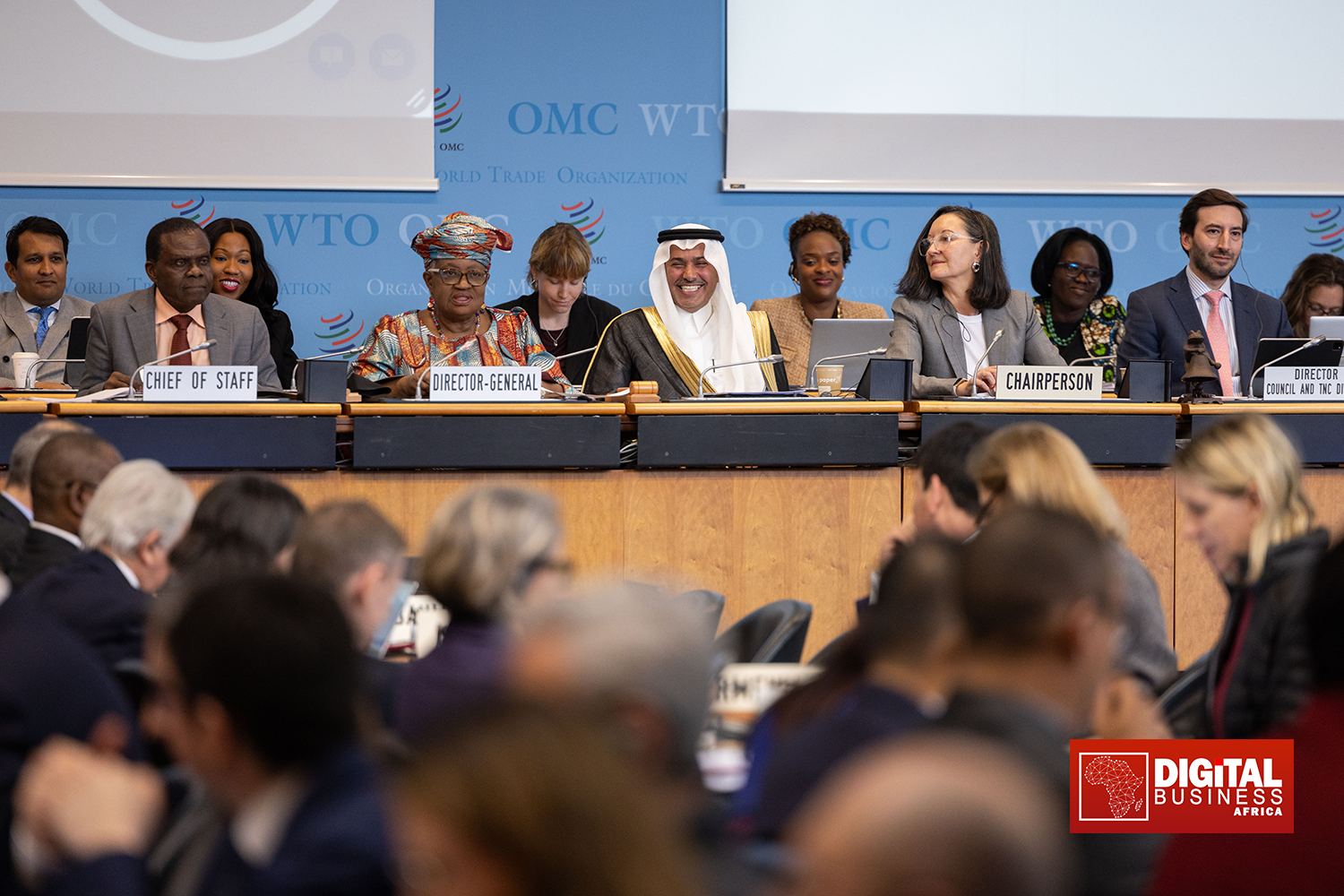
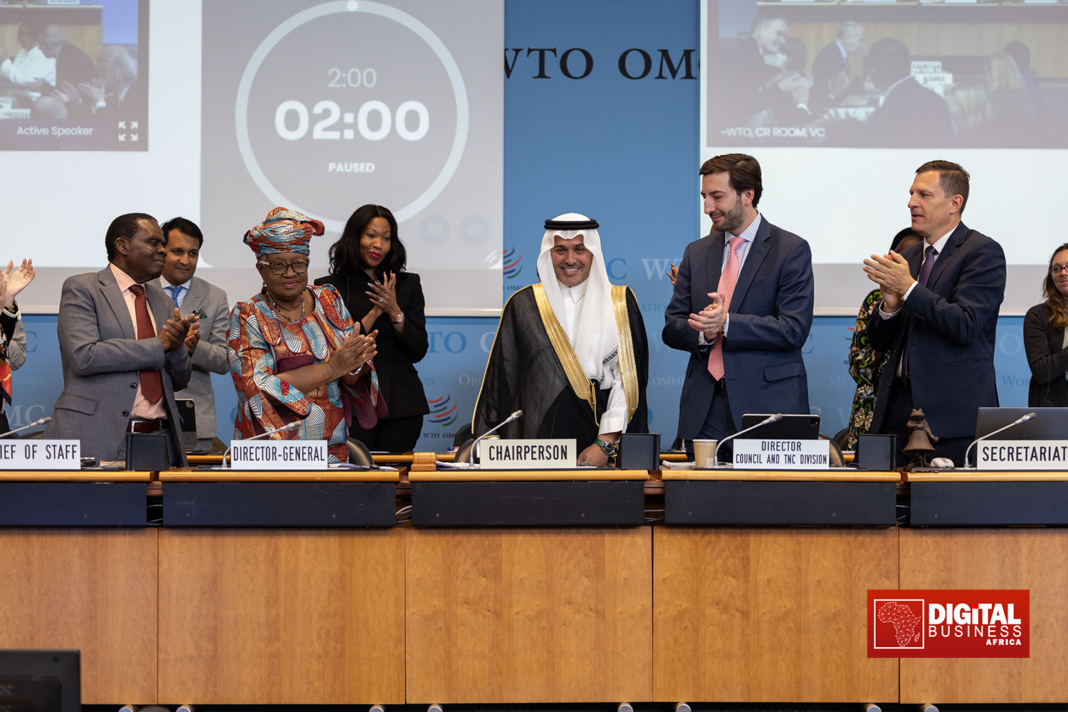
The new Chair of the General Council, Ambassador Clare Kelly of New Zealand, stated that many members believed the Yaoundé negotiations had achieved an unprecedented level of convergence on the Work Programme on Electronic Commerce and on the moratorium itself.
“This convergence represents a considerable investment in persuasion and pragmatism by many members,” she said, emphasising that the majority wished to continue discussions rather than start again from scratch.
Türkiye joins the growing momentum in favour of the moratorium
One of the key developments of the meeting was Türkiye’s decision to no longer block consensus on a temporary extension of the moratorium on electronic transmissions.
This development is far from insignificant. It further narrows the circle of members opposed to extending the moratorium and reinforces the idea that a compromise could eventually emerge in Geneva in the coming months.
At MC14 in Yaoundé, members failed to renew the moratorium that had been in force since 1998, theoretically opening the door to the imposition of customs duties on cross-border electronic transmissions.
That failure represented a major setback for the United States and several digital powers that advocate barrier-free global digital flows.
The United States maintains its plurilateral initiative
Alongside the multilateral discussions, the United States officially presented to the General Council a joint statement on the moratorium, now supported by 21 WTO members.
Starting from 8 May 2026, the co-sponsors will continue not to impose customs duties on electronic transmissions among themselves.
The official document presented to the General Council further clarifies the scope of this plurilateral initiative led by the United States and several supporting members, aimed at continuing the moratorium on electronic transmissions.
In the joint communication, the co-sponsors say they are “disappointed” by the expiration of the long-standing WTO e-commerce moratorium at MC14 in Yaoundé, while affirming their determination to preserve “a measure of predictability and certainty” for businesses and consumers in the global digital economy.
The text specifies that, as of 8 May 2026, the signatory members “will continue to not impose customs duties on electronic transmissions among themselves.”
More importantly, the signatories provide a broader definition of electronic transmissions. According to them, an electronic transmission refers to “any transmission made using electromagnetic means and includes the content of the transmission.”
This clarification is strategic. It means that the commitment does not only cover digital data flows, but also the transmitted content itself: software, videos, streaming services, cloud services, music, video games, digital platforms and dematerialized content.
The signatory members also invite all other WTO members wishing to benefit from “stable trading conditions” to join the initiative in the future, with the stated objective of eventually securing a new multilateral commitment on the moratorium.
The signatories to this initiative are:
– Argentina,
– Australia,
– Costa Rica,
– Ecuador,
– Guatemala,
– Iceland,
– Israel,
– Japan,
– Republic of Korea,
– Malaysia,
– Mexico,
– New Zealand,
– North Macedonia,
– Norway,
– Panama,
– Paraguay,
– Peru,
– Singapore,
– Separate Customs Territory of Taiwan, Penghu, Kinmen and Matsu,
– United States,
– Uruguay.
The revised document published on 8 May 2026 further specifies that North Macedonia and Peru were added as co-sponsors in this updated version of the text.
This initiative extends the momentum triggered after MC14, when several members decided to maintain the moratorium among themselves despite the absence of global consensus.
This unprecedented mechanism marks a gradual transformation in the functioning of the WTO: in the face of multilateral deadlocks, coalitions of members are now moving forward through plurilateral agreements or interim arrangements.
Towards a “multi-speed” digital WTO?
Current developments reveal a growing fracture around global electronic commerce.
On one side, major digital powers — including the United States, Japan, Singapore and Australia — seek to preserve the free flow of digital data in order to secure the activities of global platforms, cloud computing, streaming and cross-border digital services.
On the other side, several developing countries believe that the moratorium limits their future ability to tax the digital economy and broaden their fiscal base.
Even if discussions now seem to be moving towards a temporary compromise, the core debate remains unresolved: should electronic transmissions remain permanently exempt from customs duties?
For Africa, the issue is becoming strategic
For African countries, the debate now goes far beyond a simple trade issue.
The moratorium directly affects:
– digital sovereignty,
– digital taxation,
– the capacity of states to mobilise new revenues,
– and their positioning in the global digital economy.
The failure in Yaoundé had placed Africa at the heart of the fractures shaping international digital trade. The discussions in Geneva now show that the matter is far from settled.
The next General Council meeting, scheduled for 14–15 July 2026, could become a decisive moment in determining whether the moratorium will regain a multilateral foundation… or whether the WTO will continue drifting toward a fragmented model in which “digital clubs” progressively replace global consensus.
By Beaugas Orain DJOYUM